
Experience Ethnic Customs in Traditional Festivals China
- Date:
- Views:197
- Source:The Silk Road Echo
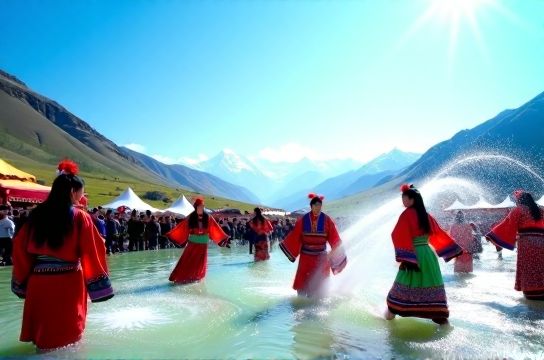
Want to dive into the real soul of China? Skip the crowded Great Wall tours and overhyped night markets. Instead, chase the drumbeats, colorful costumes, and mouthwatering festival feasts of China’s ethnic minorities. From water-splashing fun in Yunnan to horse racing on the Tibetan Plateau, traditional festivals in China are a passport to cultural wonder.
Why Ethnic Festivals Beat Typical Tourism
Mainstream tourism shows you what China looks like. But ethnic festivals let you feel it. These events—passed down for generations—are where language, dance, food, and spirituality come alive. And guess what? Many happen in remote villages with fewer tourists than a Shanghai subway station at midnight.
Take the Dai Water-Splashing Festival in Xishuangbanna. It’s not just playful water fights (though yes, you’ll get soaked). It’s a Buddhist-inspired New Year ritual symbolizing cleansing and renewal. Locals gently pour water as a blessing—then tourists show up and turn it into a week-long water war. Hey, we’re not complaining.
Top 4 Ethnic Festivals You Can’t Miss
| Festival | Ethnic Group | Location | Best Time to Go | Unique Highlight |
|---|---|---|---|---|
| Water-Splashing Festival | Dai | Xishuangbanna, Yunnan | April 13–15 | Mass water battles & temple rituals |
| Nadam Fair | Mongolian | Inner Mongolia | July–August | Horse racing, archery, wrestling |
| Gurumei Festival | Tujia | Hunan & Hubei | 6th lunar month | Solar calendar worship & hand-waving dance |
| Shoton Festival | Tibetan | Lhasa, Tibet | August (Tibetan calendar) | Giant Buddha unveiling & yogurt feast |
Inside the Nadam Fair: Where Men Are Real Men (and Horses Are Superstars)
If you think rodeos are intense, wait till you see Inner Mongolia’s Nadam Fair. This centuries-old gathering celebrates the ‘Three Manly Games’: horse racing, Mongolian wrestling (boke), and archery. Kids as young as 6 race horses across open grasslands—no saddles, no helmets, all guts.
Last summer, over 10,000 visitors attended the main event in Ordos. But here’s the pro tip: skip the commercialized city version and head to smaller banners (counties) like Xilingol. There, you’ll drink fermented mare’s milk (kumis) with herders and watch wrestlers in silk capes circle each other like ancient gladiators.
Cultural Respect = Better Travel Experience
Yes, these festivals are Instagram gold. But remember: they’re not performances for tourists. When visiting Tibetan areas during Shoton, don’t point your camera at monks during prayer. At Tujia events, ask before joining dances. A little respect goes a long way—and often earns you an invite to someone’s home for sticky rice cakes.
And speaking of food: try zongzi during Dai festivals, or tsampa porridge in Tibet. Street vendors sell them, but grandma’s version from a bamboo basket? That’s the stuff of food dreams.
Final Thoughts: Go Beyond the Brochure
China’s ethnic festivals aren’t just side attractions—they’re living traditions that define communities. Whether you’re dancing under firecrackers in a Miao village or cheering on a 300kg wrestler in Mongolia, you’re not just traveling. You’re connecting.
So pack light, charge your camera, and bring curiosity. The real China isn’t in guidebooks. It’s in the laughter after a water fight, the rhythm of a drum circle at dusk, and the taste of homemade rice wine shared under the stars.