
and Song: Uncovering Daily Life in China's Historic Towns
- Date:
- Views:302
- Source:The Silk Road Echo
Ever wondered what it’s really like to wake up in a 1,000-year-old town where time moves slower than your morning tea steeps? Welcome to the hidden corners of China’s ancient towns—places like Lijiang, Fenghuang, and Pingyao—where cobblestone streets echo with folk songs, grandmas hand-pull noodles in doorways, and life unfolds like a scroll painting come to life.
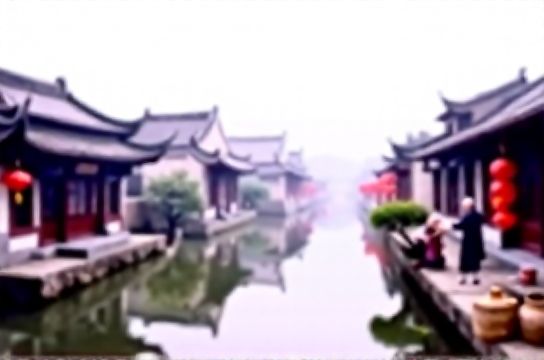
Forget the skyscrapers and subway chaos of Beijing or Shanghai. These historic gems offer something way more soulful: real, unfiltered daily life. And trust me, it’s not just about pretty photos (though yeah, every alley here is Instagram gold). It’s about sitting on a wooden stool sipping jasmine tea while a local tunes up a pipa. It’s about watching a fisherman glide down a misty river in a bamboo raft like he has for decades.
Let’s talk tea first—because in these towns, tea isn’t just a drink, it’s a ritual. Morning starts slow. You’ll see elders gathering in courtyards, tiny porcelain cups in hand, steam curling into the cool air. They’re not rushing. They’re chatting, laughing, debating yesterday’s mahjong game. This is *jian sheng huo*—simple living—at its finest.
Then there’s the music. Ever heard a Dong minority choir singing in four-part harmony without any instruments? Chills. In villages tucked deep in Guizhou, music is woven into everyday moments—lullabies, work chants, love songs passed down through generations. It’s not performed for tourists (though you might catch a show); it’s lived.
And food? Oh, don’t get me started. Street vendors flip scallion pancakes over open flames. Aunties serve up rice noodles in rich bone broth that’s been simmering since dawn. Each bite tells a story—one of family recipes, seasonal ingredients, and zero interest in fast food trends.
But here’s the real magic: the rhythm. No one’s checking their phone every two minutes. Kids play shuttlecock in courtyards. Old men practice tai chi by lotus ponds. Time bends. You breathe deeper.
Sure, tourism has left its mark—souvenir shops, selfie sticks, the occasional overpriced ‘authentic experience.’ But dig a little deeper, wake up early, wander past the main squares, and you’ll find the heartbeat still strong. A woman weaving silk by hand. A monk ringing the temple bell at sunrise. A street musician playing erhu under a red lantern.
These towns aren’t frozen in time—they’re evolving, yes, but they’ve kept their soul. And maybe that’s what we’re all craving: a moment of realness in a world that’s moving too fast.
So next time you think of China, don’t just picture the Great Wall or futuristic cities. Think of a quiet morning in a riverside town, where tea steams, songs drift on the breeze, and life feels, finally, in tune.