
Living Heritage: Participating in China's Intangible Cultural Traditions
- Date:
- Views:244
- Source:The Silk Road Echo
Ever thought about stepping into a 5,000-year-old story? That’s what it feels like when you dive into China’s intangible cultural heritage. We’re not talking dusty museum displays—this is living, breathing tradition passed down hand-to-hand, generation to generation. From the rhythmic beats of dragon dance drums to the delicate brushstrokes of Chinese calligraphy, these traditions aren’t just preserved—they’re practiced, shared, and very much alive.
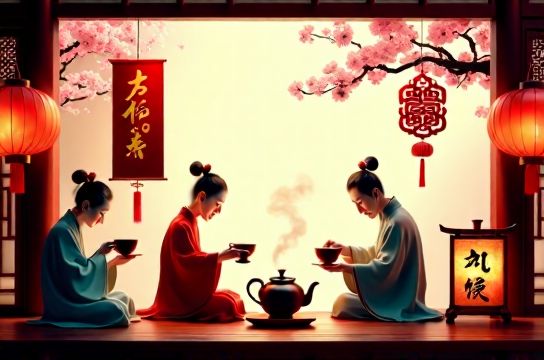
Take tea ceremonies, for example. In China, making tea isn’t just boiling water and dropping in a bag. It’s an art form—one that involves patience, precision, and deep respect for nature. Whether you're sipping oolong in Fujian or learning gongfu cha in Guangdong, every pour tells a story. Locals don’t just drink tea; they *experience* it. And now, more travelers and culture lovers are being invited to join in. Workshops pop up in old hutongs and mountain villages, where elders teach the ritual with pride and a warm smile.
Then there’s shadow puppetry—a folk art that feels like ancient cinema. Hand-cut leather figures dance behind a glowing screen, bringing myths and legends to life with music and storytelling. In Shaanxi and Gansu, families still perform shows using techniques unchanged for centuries. But here’s the cool part: you can learn to make your own puppets and even perform a short act. It’s hands-on history, and honestly, way more fun than reading about it in a textbook.
Chinese knotting is another gem. Those intricate red threads you see during Lunar New Year? They’re not just decorations—they carry meaning. Each knot style symbolizes something: love, luck, longevity. Tourists at cultural fairs often try their hand at basic knots, laughing as their fingers tangle but walking away with a little piece of tradition in their pocket.
And let’s not forget opera. While Peking Opera might look dramatic with its bold makeup and acrobatics, regional styles like Kunqu or Yue Opera offer softer, poetic performances. Some theaters now offer backstage tours and beginner singing sessions—yes, you can try belting out a tune, even if you sound nothing like a master performer (no judgment!).
The beauty of China’s intangible heritage is that it welcomes participation. These aren’t relics locked behind glass; they thrive on human connection. By joining a paper-cutting class, learning a folk song, or cooking dumplings the traditional way, you become part of the story.
So next time you think of Chinese culture, go beyond the Great Wall and pandas. Dive into the rhythms, flavors, and crafts that pulse through everyday life. Because real heritage isn’t just watched—it’s lived.