
From Xi’an to Luoyang: Following the Footsteps of Emperors
- Date:
- Views:220
- Source:The Silk Road Echo
If you're into ancient vibes, epic history, and walking where emperors once ruled, then hopping from Xi’an to Luoyang is basically a time machine on rails. These two Chinese cities aren’t just old—they’re *ancient empire core* old. Think dragons, dynasties, and enough buried secrets to make Indiana Jones jealous.
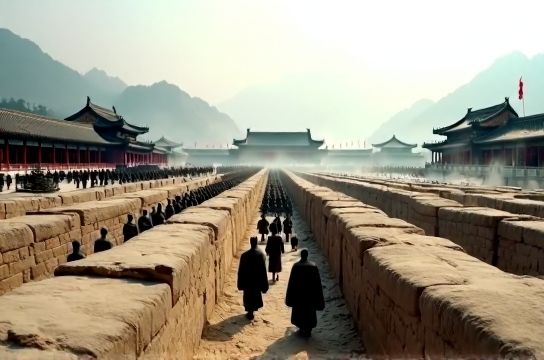
Let’s start in Xi’an, shall we? This place was the OG capital of China—home to the first Emperor Qin, the guy who not only unified China but also threw down an entire army in his backyard. Yeah, we’re talking about the Terracotta Warriors. Over 8,000 life-sized soldiers, horses, and chariots just chilling underground, guarding the emperor for eternity. It’s wild. Walking through that pit feels like stepping into a real-life legend.
But Xi’an isn’t just about dusty statues. The city pulses with energy—Muslim Quarter at night? A food lover’s paradise. Skewered lamb, sweet osmanthus jelly, roujiamo (aka the Chinese burger)—it’s all there, sizzling under red lanterns. And don’t sleep on the ancient City Wall. Rent a bike, ride the perimeter, and feel like a medieval guard patrolling one of the best-preserved fortresses in China.
Now, hop on a high-speed train (and by hop, we mean zoom at 300 km/h) to Luoyang—just about 1.5 hours away. While Xi’an screams imperial power, Luoyang whispers wisdom, spirituality, and stone-carved genius. This city was a capital for *thirteen* dynasties—yes, thirteen—and a key hub on the Silk Road. But its crown jewel? The Longmen Grottoes.
Imagine thousands of Buddha statues carved into limestone cliffs along the Yi River. Some are tiny, some tower over you like serene giants. The detail is mind-blowing—flowing robes, calm expressions, hands in peaceful mudras. These weren’t made in a day; they were sculpted over centuries, mainly during the Northern Wei and Tang dynasties. It’s spiritual art on a massive scale.
And if you love temples, Luoyang delivers. The White Horse Temple? Considered the *first* Buddhist temple in China. Built in 68 AD, it’s been a center of enlightenment, translation, and meditation for nearly 2,000 years. Even if you’re not spiritual, the quiet courtyards and golden roofs have a way of slowing your heartbeat.
So why travel from Xi’an to Luoyang? Because together, they tell the story of China’s soul. Xi’an shows you the might of empire—military, politics, unity. Luoyang reveals the inner journey—faith, art, philosophy. One’s the fist, the other’s the palm. Both are essential.
Travel tip: go in spring or autumn. Summer gets steamy, winter’s chilly, but April or October? Perfect temps and fewer crowds. Plus, both cities are super connected—high-speed rail makes this cultural double-header easier than ordering takeout.
Bottom line: If you want to walk where emperors walked, worship where monks meditated, and eat like a local while diving deep into China’s greatest hits—this route is pure gold.