
Traditional Festivals China Where Ancestral Customs Thrive
- Date:
- Views:215
- Source:The Silk Road Echo
When it comes to vibrant culture and deep-rooted traditions, China's traditional festivals stand in a league of their own. These celebrations aren’t just about fireworks or feasts—they’re living threads connecting modern life with ancient customs, family values, and spiritual beliefs that have thrived for thousands of years.
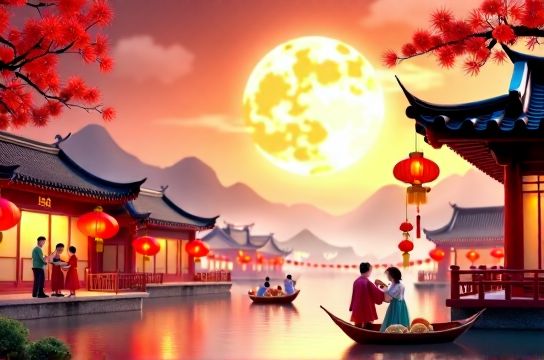
From the explosive joy of the Spring Festival to the poetic glow of the Mid-Autumn Festival, each event tells a story—of ancestors honored, legends remembered, and unity celebrated.
Why Chinese Festivals Are More Than Just Holidays
In China, festivals are not commercial breaks but cultural anchors. They reflect Confucian ideals of filial piety, harmony, and respect for nature. Over 90% of urban households still observe major festivals like Lunar New Year, according to a 2023 survey by China Tourism Academy.
What makes these events truly special? It’s the blend of ritual, food, symbolism, and community. Let’s dive into the most iconic ones.
The Big Four: Must-Experience Traditional Festivals
| Festival | Time (Lunar Calendar) | Main Activities | Cultural Significance |
|---|---|---|---|
| Spring Festival (Chinese New Year) | 1st day of 1st lunar month | Reunion dinner, red envelopes, fireworks | Welcoming renewal, honoring ancestors |
| Qingming Festival | 15 days after Spring Equinox | Tomb sweeping, ancestor worship | Connecting with lineage and nature |
| Dragon Boat Festival | 5th day of 5th lunar month | Racing dragon boats, eating zongzi | Commemorating Qu Yuan, warding off evil |
| Mid-Autumn Festival | 15th day of 8th lunar month | Moon gazing, sharing mooncakes | Family unity under the full moon |
These aren’t just dates on a calendar—they’re emotional milestones. During Spring Festival alone, China sees the world’s largest annual human migration: over 3 billion trips made in 40 days (Ministry of Transport, 2024). That’s the power of tradition.
Food as Heritage: What You’ll Taste
No festival is complete without symbolic dishes. Each bite carries meaning:
- Dumplings (Spring Festival): Shaped like ancient gold ingots, they symbolize wealth.
- Zongzi (Dragon Boat Festival): Sticky rice wrapped in bamboo leaves, honoring poet Qu Yuan.
- Mooncakes: Rich pastries shared during Mid-Autumn, representing completeness and reunion.
In cities like Suzhou and Guangzhou, families still make these by hand—passing down recipes like heirlooms.
Modern Meets Ancient: How Traditions Evolve
You might see teens lighting virtual incense via apps during Qingming, or influencers unboxing luxury mooncake gift boxes on Douyin. But far from eroding tradition, tech often revitalizes it. A 2023 Tencent report found that 76% of Gen Z prefers digital red envelopes with custom animations—yet still gives them during New Year visits.
In rural villages, elders chant ancestral prayers; in Shanghai skyscrapers, families Zoom-call relatives across oceans—all part of the same cultural heartbeat.
Travel Tip: When & Where to Experience Authentic Celebrations
If you're planning a trip, aim for smaller towns for deeper immersion:
- Chaoshan Region (Guangdong): Best for traditional opera and lion dances during New Year.
- Huangshan (Anhui): Stunning tomb-sweeping rituals amid misty mountains at Qingming.
- Suzhou: Moon-watching cruises on classical canals during Mid-Autumn.
Even in Beijing or Chengdu, local cultural centers host public events—many welcoming foreigners with open arms.
Final Thought: More Than Spectacle—It’s Soul
China’s traditional festivals aren’t performances for tourists. They’re acts of memory, love, and continuity. Whether you’re savoring a handmade dumpling or watching dragons race across a river, you’re not just observing culture—you’re feeling it.
So next time you hear firecrackers crackle at dawn or see a full moon rise over a lantern-lit lake, remember: you’re witnessing something timeless—where ancestral customs don’t just survive, they thrive.