
Visit UNESCO Sites China That Define Eastern Civilization
- Date:
- Views:221
- Source:The Silk Road Echo
If you're itching for a journey through time, culture, and jaw-dropping architecture, then it’s high time you visit UNESCO sites in China. From ancient palaces to silent desert fortresses, these World Heritage wonders don’t just tell stories—they echo the soul of Eastern civilization.
China boasts a whopping 57 UNESCO World Heritage Sites—second only to Italy globally. But let’s be real: not all are created equal when it comes to sheer awe and cultural depth. So we’ve handpicked the absolute must-see spots that define what makes Chinese heritage so legendary.
The Heavy Hitters: Top 5 UNESCO Sites You Can’t Miss
Before you pack your bags, check out this quick-reference table:
| Site | Year Listed | Type | Location | Visitor Tips |
|---|---|---|---|---|
| The Great Wall | 1987 | Cultural | Northern China | Visit Mutianyu or Jinshanling for fewer crowds |
| Forbidden City | 1987 | Cultural | Beijing | Book tickets online; go early morning |
| Temple of Heaven | 1998 | Cultural | Beijing | Arrive at sunrise for magical light & photos |
| Longmen Grottoes | 2000 | Cultural | Luoyang, Henan | Hire a guide to decode Buddhist symbolism |
| Mogao Caves | 1987 | Cultural | Dunhuang, Gansu | Only 10 caves open daily; book in advance |
Why These Sites Matter
The Forbidden City isn’t just a fancy palace—it’s the epicenter of imperial power for nearly 500 years. Home to 24 emperors from the Ming and Qing dynasties, this 180-acre complex has over 9,000 rooms. Yes, you read that right. And every roof ridge, color, and layout follows feng shui and cosmic harmony principles. It’s like walking through a 3D philosophy textbook.
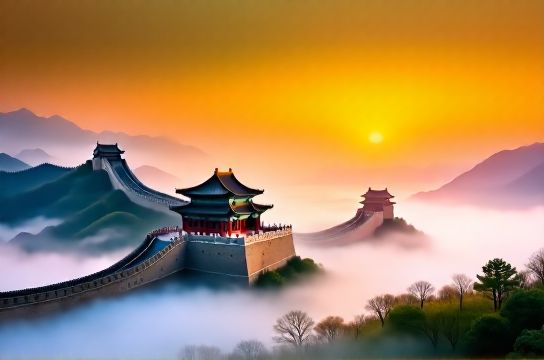
Then there’s the Great Wall, stretching over 13,000 miles. Built over centuries, it wasn’t just for defense—it was a symbol of unity, ambition, and human grit. Pro tip: skip the touristy Badaling section. Try Mutianyu instead—equally stunning, way less packed.
For spiritual depth, Mogao Caves in Dunhuang is a game-changer. With 492 elaborately painted grottoes, it’s a Silk Road treasure trove of Buddhist art. The murals? Some date back to the 4th century. They’re so fragile, UNESCO limits daily access—making it a rare, almost sacred experience.
Hidden Gems Worth Detouring For
Want to escape the crowds but still soak in brilliance? Check out Classical Gardens of Suzhou (listed 1997). These aren’t just pretty parks—they’re poetic expressions of nature, balance, and Daoist ideals. Think koi ponds, moon gates, and willow trees whispering secrets.
And if ancient engineering blows your mind, Dujiangyan Irrigation System (2000) is a marvel. Built over 2,000 years ago and still functioning today? That’s next-level innovation without a single dam.
Final Travel Tips
- Best time to visit: Spring (April–May) or Autumn (September–October)
- Always book tickets online—many sites limit daily entries
- Consider hiring local guides—they bring history to life
- Respect cultural rules: no flash photography in caves or temples
So, ready to visit UNESCO sites in China that shaped an entire civilization? Whether you’re marveling at emperors’ halls or meditating in thousand-year-old caves, one thing’s for sure: you won’t just see history—you’ll feel it.