
Best Chinese Water Towns for Cultural Exploration
- Date:
- Views:263
- Source:The Silk Road Echo
If you're craving a slice of old-world China, where canals whisper ancient tales and stone bridges arch over slow-moving rivers, then the country's legendary water towns are calling your name. These picturesque settlements, mostly nestled in the Jiangnan region south of the Yangtze River, offer more than just Instagram-worthy views—they're living museums of Chinese heritage, architecture, and daily life.
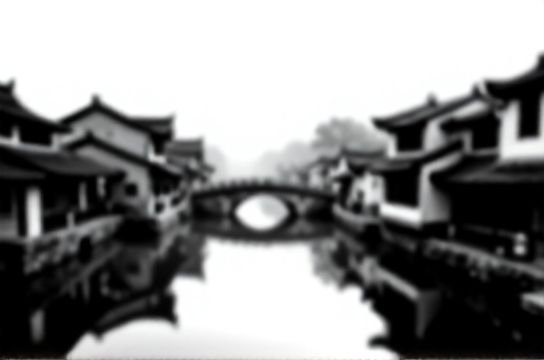
From bustling Zhouzhuang to serene Xitang, each town has its own rhythm, charm, and cultural flavor. Let’s dive into the top five water towns perfect for cultural explorers—and yes, we’ve got data to back up why they’re worth your time.
Why Visit Chinese Water Towns?
Over 60% of China’s most well-preserved water towns are located within a 100-kilometer radius of Shanghai, making them ideal weekend getaways. These towns date back as far as the Song (960–1279) and Ming (1368–1644) dynasties and showcase traditional baiqiang heiwu (white walls, black tiles) architecture, silk culture, and centuries-old canal systems.
Top 5 Water Towns for Culture Lovers
| Town | Distance from Shanghai | Founded | UNESCO Status | Visitor Tips |
|---|---|---|---|---|
| Zhouzhuang | 58 km | 1086 (Song Dynasty) | Tentative List | Visit before 9 AM to avoid crowds |
| Xitang | 85 km | Spring & Autumn Period (770 BC) | Tentative List | Night walks reveal magical lantern lights |
| Wuzhen | 80 km | 7th Century | Tentative List | Stay overnight for authentic morning scenes |
| Tongli | 63 km | 1042 (Song Dynasty) | Part of Grand Canal World Heritage | Explore private gardens like Tuisi Garden |
| Luzhi | 45 km | 5th Century BC | No | Off-the-beaten-path gem; fewer tourists |
Cultural Highlights You Can’t Miss
- Silk Heritage: Wuzhen hosts an annual Silk Festival, celebrating its role in China’s 5,000-year silk tradition.
- Teahouse Culture: In Xitang, sip on Longjing tea at riverside teahouses—locals still gather here for gossip and mahjong.
- Traditional Boats: Over 80% of Zhouzhuang’s transport is still via wooden paddle boats—a throwback to pre-modern China.
Pro tip: Avoid national holidays like Golden Week—crowds can swell by 300%. Aim for spring (March–May) or autumn (September–November) for mild weather and softer light, perfect for photography.
These towns aren’t just pretty postcards—they’re gateways into China’s soul. Whether you're tracing the footsteps of scholars in Tongli or drifting through misty canals in Luzhi, you’re not just traveling—you’re time-traveling.