
Savor Tea Culture in China’s Ancient Plantations
- Date:
- Views:241
- Source:The Silk Road Echo
If you’ve ever sipped a warm, fragrant cup of Chinese tea and wondered—where does this magic begin? The answer lies deep in the misty hills and ancient groves of China’s legendary tea plantations. From the emerald terraces of Fujian to the wild old-growth forests of Yunnan, these aren’t just farms—they’re living museums of flavor, history, and soul.
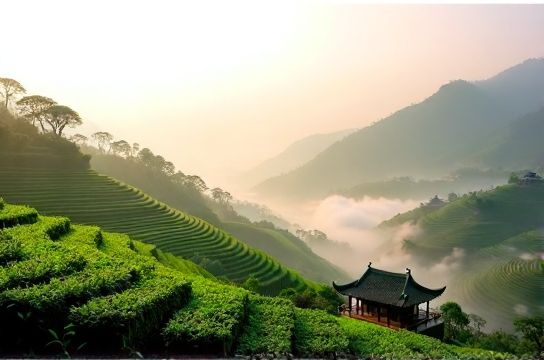
China is the birthplace of tea, with over 5,000 years of cultivation and culture. But today’s tea trail isn’t just about drinking—it’s about *experiencing*. Think lush mountain hikes, hands-on leaf picking, traditional roasting techniques passed down through generations, and tasting notes so complex they’ll make your taste buds throw a party.
Let’s break it down: which regions serve up the real tea treasure?
**Top 4 Must-Visit Tea Plantations in China**
1. **Longjing (Dragon Well) Village, Hangzhou, Zhejiang** Home to China’s most famous green tea, Longjing. Grown on gentle slopes near West Lake, this tea is pan-fired by hand, giving it a nutty, sweet aroma. Spring harvest (March–April) is peak season—locals call it "the first breath of spring."
2. **Anxi County, Fujian** The kingdom of oolong. Famous for Tieguanyin (Iron Goddess of Mercy), where tea masters use centuries-old oxidation methods to create floral, creamy brews that unfold over seven steepings.
3. **Pu'er Region, Yunnan** Wild, ancient, fermented. Yunnan’s old arbor tea trees can be *hundreds of years old*. Pu’er tea is aged like fine wine—some cakes fetch thousands at auction. Adventure seekers trek into remote villages like Jingmai or Xishuangbanna to sip tea under towering canopy trees.
4. **Huangshan (Yellow Mountain), Anhui** Source of Huangshan Maofeng, a delicate green tea with silvery tips. Harvested only once a year, it’s light, refreshing, and best enjoyed while gazing at sea-of-clouds vistas.
Want numbers? Here’s how these teas stack up:
| Tea Type | Region | Caffeine Level (mg/cup) | Avg. Price (USD/100g) | Best Harvest Season |
|---|---|---|---|---|
| Longjing Green Tea | Zhejiang | 20–30 | 15–60 | March–April |
| Tieguanyin Oolong | Fujian | 30–50 | 10–80 | April–May, Oct–Nov |
| Pu’er (Raw/Sheng) | Yunnan | 40–70 | 8–200+ | March–May |
| Huangshan Maofeng | Anhui | 20–35 | 12–50 | April |
Visiting these plantations? Pro tip: go beyond the tour groups. Book a homestay with a tea-farming family. Roll your sleeves up and try *shaking the leaves* in bamboo trays or wok-firing with a master. You’ll walk away not just with rare tea—but stories.
And let’s talk sustainability. Many small farms now practice organic growing and fair-trade harvesting. By choosing direct-from-farm purchases, you support preservation of both culture and ecosystem.
So whether you're a casual sipper or a full-blown tea nerd, China’s ancient plantations offer more than flavor—they offer connection. To land, to history, to slow living in a fast world.
Pack your bag, your curiosity, and maybe a good thermos. The tea mountains are calling.