
Explore Kaiping Diaolou UNESCO Listed Towers China
- Date:
- Views:279
- Source:The Silk Road Echo
Ever dreamed of stepping into a real-life Chinese fantasy movie? Welcome to Kaiping Diaolou—a hidden gem in Guangdong Province where ancient watchtowers whisper stories of emigration, defense, and cultural fusion. These UNESCO-listed碉楼 (diaolou) aren’t just relics—they’re architectural mashups of East meets West, built by overseas Chinese returning home with global flair.
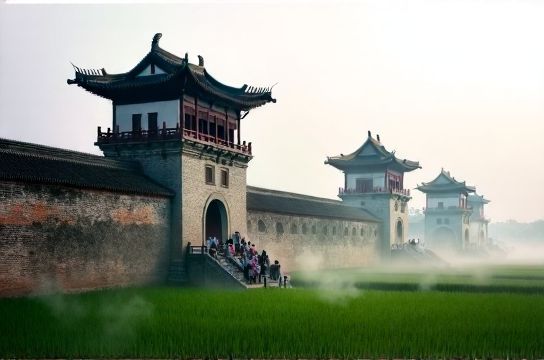
Why Kaiping Diaolou?
In the early 20th century, thousands from Kaiping migrated to North America, sending money back to build fortified homes. The result? Over 1,800 diaolou towers scattered across rice fields and villages—each blending Cantonese design with Roman columns, Gothic windows, and Baroque flourishes. In 2007, UNESCO recognized them as a World Heritage Site for their ‘unique rural urbanization’ and cultural hybridity.
Top 3 Must-Visit Clusters
You don’t need to tour all 1,800+ towers. Focus on these iconic clusters:
- Zili Village: Home to Ruishi Lou, the tallest at 9 floors. Picture: Italian domes + Chinese carvings + bullet marks from bandit raids.
- Majianglong: A bamboo-shaded row of 5 towers, perfect for golden-hour photos.
- Chikan Town: Less touristy, with French balconies and a vintage cinema vibe.
Quick Stats: Kaiping at a Glance
| Feature | Detail |
|---|---|
| Total Diaolou Count | 1,833 |
| UNESCO Inscription Year | 2007 |
| Peak Construction Era | 1920–1931 |
| Average Height | 3–6 stories (9–18 meters) |
| Most Common Architectural Mix | Cantonese base + European façade |
Pro Travel Tips
🚗 Getting There: Take a high-speed train to Jiangmen, then a 40-min bus to Kaiping. No car? Local e-bikes or Didi rides work.
🎫 Tickets: Entry to major sites costs ~¥40–60 ($5–8). Buy a combo pass if visiting 3+ clusters.
📸 Best Photo Spots: Sunrise at Majianglong (fog + silhouettes), rooftop view from Minweilou, and street-level details like carved dragons beside spiral staircases.
🍜 Eat Like a Local: Try wonton noodles at Chikan’s morning markets or sip aged pu’er tea in a century-old courtyard café.
Culture Beyond the Towers
The diaolou weren’t just status symbols—they were lifelines. During the 1920s, Kaiping suffered rampant banditry. Families lived in lower floors; upper levels had gun holes and alarm bells. Some even had private wells and grain storage. Today, descendants still inhabit a few, turning others into museums or B&Bs.
Final Thoughts
Kaiping isn’t about ticking off a UNESCO list. It’s about feeling history in stone and steel—where every archway tells of ambition, survival, and identity. Skip the crowds of Zhangjiajie; go where real stories stand tall.