
and Tradition: Cultural Immersion in Suzhou's Old Town
- Date:
- Views:269
- Source:The Silk Road Echo
If you're looking for a taste of old-world China that still pulses with life, Suzhou’s Old Town is the place to be. Forget sterile museums and crowded tourist traps—this is where tradition isn’t just preserved, it’s lived. Winding canals, whitewashed houses with black-tiled roofs, and the soft strum of pipa music drifting from teahouses—it’s like stepping into a classical Chinese painting that never stopped breathing.
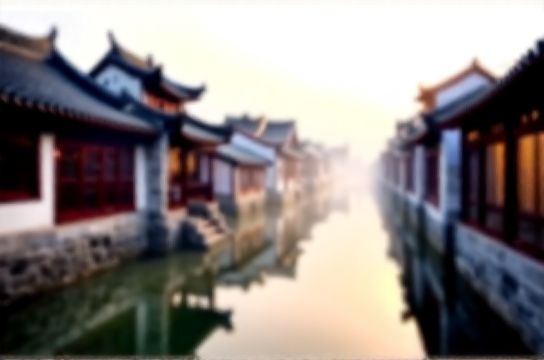
Suzhou has been called the 'Venice of the East,' but that label doesn’t do it justice. Sure, there are canals—plenty of them—but what really sets this city apart is how seamlessly daily life blends with centuries-old culture. Locals still hang laundry over water lanes, vendors sell sweet osmanthus cakes from wooden carts, and elders play mahjong under shady garden trees. It’s real, raw, and refreshingly untouched by over-commercialization.
One of the best ways to dive in? Start with the gardens. The Humble Administrator’s Garden and Lingering Garden aren’t just UNESCO World Heritage Sites—they’re masterclasses in balance, harmony, and subtle beauty. Every rock, pond, and carefully pruned tree follows ancient principles of feng shui and poetic symbolism. But don’t treat them like checklist attractions. Bring a notebook, sit by a koi pond, and let the stillness sink in. That’s when you’ll feel it—the quiet wisdom of Chinese aesthetics.
Then there’s Kunqu Opera, often dubbed the 'mother of Chinese opera.' Catching a performance in a tucked-away theater or even a community hall is pure magic. The movements are slow, deliberate, almost meditative. The costumes? Gorgeous silks that shimmer under soft light. Even if you don’t understand the lyrics, the emotion comes through—longing, joy, heartbreak—all wrapped in haunting melodies.
And let’s talk food. Suzhou’s cuisine is delicate, slightly sweet, and deeply satisfying. Try *bingyu* (sugar-coated fish), *squirrel-shaped mandarin fish*, or a simple bowl of *lazhu mian* (spicy noodle soup) at a family-run spot down a narrow alley. Pro tip: follow the locals. If there’s a queue of silver-haired aunties outside a tiny storefront, you’ve found gold.
What makes Suzhou special isn’t just its history—it’s how people keep it alive. Grandmothers teach calligraphy to grandchildren in courtyard schools. Craftsmen carve intricate fans using techniques passed down for generations. And every spring, the Pingjiang Road Festival brings the whole neighborhood together with lanterns, folk songs, and boat parades.
So skip the bullet trains to Shanghai for a day and lose yourself in Suzhou’s rhythm. Walk the stone bridges at dawn. Rent a hand-paddled boat and glide past willow trees. Chat with a tea master who’s been blending leaves since he was a teen. This isn’t just sightseeing—it’s cultural immersion at its finest.