
Red Lanterns and Firecrackers: A Foreigner's Guide to Chinese New Year
- Date:
- Views:294
- Source:The Silk Road Echo
So, you’ve heard about Chinese New Year—maybe from a friend, a movie, or that one viral video of people setting off *a thousand* firecrackers at once. But what’s the real deal behind all the red decorations, loud bangs, and endless dumpling feasts? If you’re new to this whole celebration, don’t sweat it. Let’s break down the magic of Chinese New Year in a way that’s fun, easy, and actually makes sense.
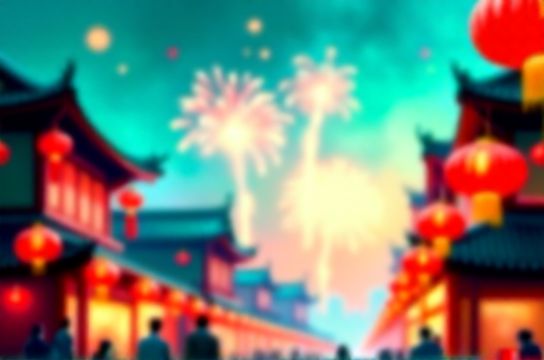
First things first—Chinese New Year isn’t just ‘China’s version of December 31st.’ Nah, it’s way bigger. Also called Spring Festival, it’s based on the lunar calendar, so the date changes every year (usually between January 21 and February 20). One minute it’s quiet, the next—BOOM! Cities light up like a K-pop concert with red lanterns, dragon dances, and enough fireworks to wake your grandma three streets over.
Why red, though? Great question. Red = lucky. Like, *super* lucky. It scares off this ancient mythical beast named Nian who apparently hated loud noises and the color red. So for centuries, people have used red envelopes (called *hongbao*), clothes, and decorations to keep bad vibes away. Bonus: if you’re visiting during the festivities, you might even score a *hongbao* with some cash inside—just don’t open it immediately. That’s kind of rude. Think of it like getting a gift card from your aunt—you say thanks now, check the balance later.
Food? Oh, you better believe it’s a big deal. Every dish has meaning. Dumplings look like ancient gold ingots—so eating them is like chowing down on prosperity. Fish is served whole because it symbolizes abundance (and yes, staring into the eyes of your dinner is part of the experience). And don’t skip the sticky rice cake (*niangao*)—it literally sounds like ‘getting higher year after year,’ so it’s basically edible ambition.
Now, timing matters. The festival lasts 15 days, but the first few are the most intense. Families gather for reunion dinners (think Thanksgiving, but with more baijiu shots). Then comes the chaos of lion dances, temple fairs, and everyone rushing to beat traffic to visit relatives. Oh, and cleaning your house before the New Year? Mandatory. But sweeping *on* New Year’s Day? Bad move. You might sweep away good luck. Same goes for cutting hair—it’s a no-go until the fifth day. Tradition says it could cut your mother’s brother’s lifespan. Wild, right?
If you’re traveling to China or joining celebrations abroad, here’s a pro tip: learn a few phrases. Saying ‘Xin Nian Kuai Le’ (Happy New Year) or ‘Gong Xi Fa Cai’ (Wishing you prosperity) earns instant street cred. And wear something red. Even a scarf counts. Trust me, blending in never felt so stylish.
At its heart, Chinese New Year isn’t just about noise and food—it’s about family, fresh starts, and hope. Whether you’re watching a dragon parade in Chinatown or texting your host family a happy greeting, you’re part of something ancient and alive.
So yeah, it’s loud, colorful, and maybe a little overwhelming at first. But once you get it? It’s unforgettable.