
UNESCO Treasures of China: From Lijiang to Kaiping’s Watchtowers
- Date:
- Views:292
- Source:The Silk Road Echo
China is packed with jaw-dropping places that’ll make your Instagram pop—and yeah, a bunch of them are UNESCO World Heritage Sites. If you're into ancient vibes, epic landscapes, or straight-up architectural flexes, China’s got you covered. Let’s talk about some real gems: from the dreamy old town of Lijiang to the wild watchtowers of Kaiping. These spots aren’t just pretty—they’re cultural powerhouses with stories that’ll blow your mind.
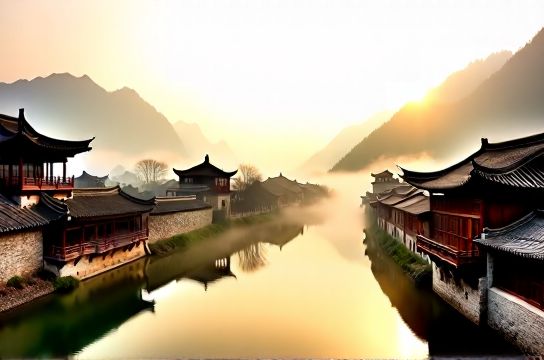
First up: Lijiang. Nestled in Yunnan Province, this ancient town is like stepping into a Chinese painting. Cobbled streets, wooden houses with curved roofs, and canals weaving through like nature’s own roadmap—it’s all very poetic. The Naxi people have lived here for centuries, and their culture is still alive in music, festivals, and daily life. Oh, and did we mention the Himalayas are basically right there? Yeah, snow-capped peaks as a backdrop—no filter needed.
But Lijiang isn’t just cute; it’s resilient. It survived earthquakes and modernization waves, which makes its preservation even more impressive. Walking through the Old Town feels like a slow-motion history lesson, minus the boring parts.
Now, switch gears to Guangdong and say hello to Kaiping’s Diaolou—those badass fortified towers scattered across the countryside. Built by overseas Chinese returning home in the late 19th and early 20th centuries, these buildings are a wild mix of Chinese tradition and Western flair. Think Gothic windows on a Cantonese base, or Baroque balconies overlooking rice fields. Why build forts though? Simple: safety. Back then, bandits were a thing, and flooding was worse. So these families went full fortress-mode—with style.
There are over 1,800 diaolou, but the most famous cluster is at Zili Village. One standout? Ruishi Lou—the tallest, with nine floors of pure swagger. It was built by a guy whose dad made bank in Australia. Talk about sending a message: "We’re back, we’re rich, and we’ve got taste."
What’s cool is how these towers blend cultures. They’re not just defensive; they’re symbolic. A nod to where these families came from, and a statement about where they wanted to go. UNESCO recognized Kaiping’s diaolou in 2007, praising them as a unique fusion of East and West.
And let’s be real—China’s UNESCO list doesn’t stop here. You’ve got the Great Wall (obviously), the Forbidden City, and Zhangjiajie’s insane pillars that inspired Avatar. But Lijiang and Kaiping? They’re the under-the-radar legends. Less crowded, more soul.
So if you’re planning a trip—or just living vicariously through Google Earth—don’t sleep on these spots. They show how China’s past isn’t just emperors and dynasties. It’s also about everyday people building beauty out of struggle, mixing styles, and leaving behind something timeless.