
Trace Silk Road History at Dunhuang UNESCO Site China
- Date:
- Views:385
- Source:The Silk Road Echo
Ever dreamed of walking where ancient traders once roamed, carrying spices, silk, and secrets across deserts? Welcome to Dunhuang, the crown jewel of China's Silk Road legacy and a UNESCO World Heritage Site that time forgot—until now.
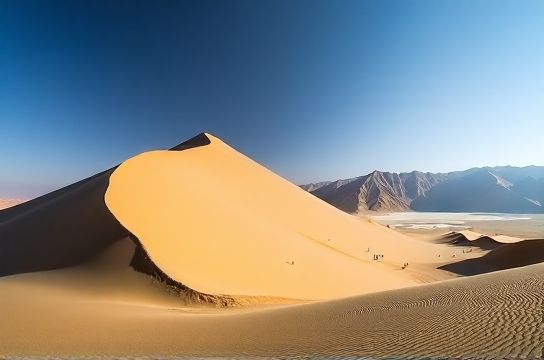
Nestled on the edge of the Gobi Desert in Gansu Province, Dunhuang was more than just an oasis—it was a cultural melting pot. For over 1,000 years, merchants, monks, and missionaries from Rome to Xi’an passed through this bustling hub, leaving behind art, faith, and stories carved into stone.
Why Dunhuang Matters
The real star? The Mogao Caves, also known as the Thousand Buddha Grottoes. With 735 caves stretching over 1,600 meters of cliff face, this site houses some of the finest examples of Buddhist art in the world—spanning from the 4th to the 14th century.
Here’s a quick snapshot of what makes Mogao so extraordinary:
| Feature | Detail |
|---|---|
| Total Caves | 735 |
| Painted Murals | 45,000 sqm |
| Buddhist Statues | Over 2,000 |
| UNESCO Listed | 1987 |
| Time Span | 4th – 14th Century |
That’s enough mural space to cover eight basketball courts—every inch telling tales of enlightenment, temptation, and divine visions.
The Library Cave: A 20th-Century Time Capsule
In 1900, a Taoist monk named Wang Yuanlu stumbled upon Cave 17—later dubbed the 'Library Cave.' Hidden inside? Over 50,000 ancient manuscripts, including the world’s oldest printed book: the Diamond Sutra (868 AD).
These texts weren’t just religious—they covered medicine, astronomy, languages (even Sanskrit and Tibetan), and early forms of paper money. Sadly, many were taken by explorers like Aurel Stein and are now scattered across London, Paris, and Tokyo. But replicas and digital versions are accessible at the Dunhuang Academy.
Plan Your Visit Like a Pro
Timing is everything. The best months to visit Dunhuang are April–June and September–October. Summers get scorching (up to 40°C/104°F), while winter winds can be brutal.
Here’s a simple travel guide:
- How to Get There: Fly to Dunhuang Airport or take a high-speed train from Urumqi or Lanzhou.
- Entry Fee: ~¥180 (standard), ¥250 (high season with guided tour)
- Tour Duration: 2–3 hours for main caves; full-day if visiting surrounding sites
- Pro Tip: Book tickets online via the Dunhuang Mogao Grottoes Reservation Platform—daily caps apply!
More Than Just Caves
Don’t miss these nearby gems:
- Yueya Spring (Moonlight Lake): A crescent-shaped oasis surrounded by towering dunes.
- Sand Dune Adventure: Ride camels or slide down Singing Sands at Mingsha Mountain.
- Dunhuang Museum: Perfect for context before hitting the caves.
Final Thoughts
Dunhuang isn’t just history—it’s a living dialogue between East and West, faith and art, past and present. Whether you're a culture vulture, history nerd, or just chasing epic views, this Silk Road sentinel delivers.
So pack your curiosity (and sunscreen), and step into a story 2,000 years in the making.