
Relive History Walking Through Ancient Towns China Streets
- Date:
- Views:212
- Source:The Silk Road Echo
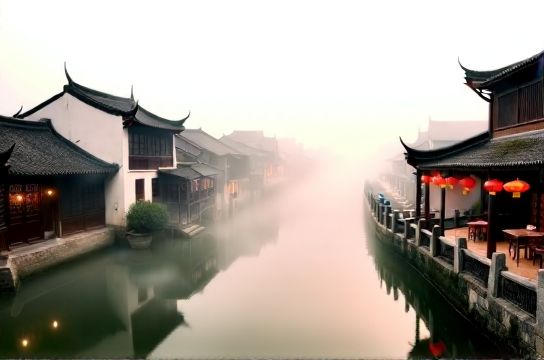
Ever felt like stepping into a time machine? Well, walking through ancient towns in China is the closest thing to it. Forget crowded malls and noisy traffic—imagine stone-paved alleys, wooden eaves dripping with history, and the soft murmur of locals sipping tea under red lanterns. These towns aren’t just pretty backdrops for your Instagram feed—they’re living, breathing chapters of China’s 5000-year story.
Why Walk Through China’s Ancient Towns?
China is home to over 200 officially recognized historic towns, each with its own flavor of dynastic drama, architectural elegance, and cultural quirks. From the canals of Zhouzhuang to the mountain-hugged Lijiang, these places offer more than nostalgia—they offer connection.
According to UNESCO, 13 Chinese ancient towns are on the tentative list for World Heritage status. And it's no surprise: they blend urban planning from the Ming and Qing dynasties with natural landscapes in ways modern cities can only dream of.
Top 5 Must-Visit Ancient Towns in China
Here’s a quick hit list of towns that’ll make your inner history buff swoon—and yes, we’ve got data to prove their worth.
| Town | Province | Founded | Annual Visitors (millions) | UNESCO Status |
|---|---|---|---|---|
| Zhouzhuang | Jiangsu | 1086 (Song Dynasty) | 3.2 | Tentative |
| Lijiang | Yunnan | 13th Century | 4.5 | World Heritage Site |
| Fenghuang | Hunan | Early Ming Dynasty | 2.8 | Tentative |
| Pingyao | Shanxi | Warring States Period | 3.0 | World Heritage Site |
| Xitang | Zhejiang | 900+ years ago | 2.5 | Tentative |
As you can see, Lijiang pulls the biggest crowd—and deservedly so. Nestled in Yunnan’s Jade Dragon Snow Mountain range, its cobbled streets and Naxi culture create a vibe that’s equal parts mystical and welcoming.
What Makes These Towns So Special?
It’s not just about old buildings. It’s about how people lived. Take Pingyao, for example—the best-preserved ancient walled city in China. Its city walls stretch 6.4 km and have stood strong since the Ming Dynasty. Inside, you’ll find the first draft of China’s banking system at Rishengchang, the country’s earliest piaohao (money shop).
And then there’s Zhouzhuang, often called the “Venice of the East.” With 14 old stone bridges and waterways weaving through town, a boat ride here feels like floating through a classical Chinese painting.
Tips for Travelers
- Go early or late: Most towns get packed by 10 a.m. Visit at sunrise for magical light and zero crowds.
- Stay overnight: Day-trippers leave by dusk. You’ll get the town all to yourself after dark—plus, night lighting is stunning.
- Eat local: Try Lijiang’s yak butter tea or Zhouzhuang’s steamed pork dumplings (zongzi). Your taste buds will thank you.
Walking these streets isn’t just sightseeing—it’s soul-refreshing. You’re not just seeing history; you’re feeling it under your feet, hearing it in the wind chimes, tasting it in every bite.
So next time you plan a trip to China, skip the skyscrapers for a day. Let the past pave your path. Because sometimes, the oldest roads lead to the most unforgettable moments.