
Explore How Chinese Cultural Experiences Shape National Identity
- Date:
- Views:204
- Source:The Silk Road Echo
Ever wondered why a simple bowl of hotpot or the sound of a guzheng can stir such deep pride in Chinese people? It’s not just tradition—it’s identity. Across China, cultural experiences aren’t just preserved; they’re lived, shared, and passed down like heirlooms. From ancient festivals to modern-day tea ceremonies, these moments shape what it means to be Chinese in today’s world.
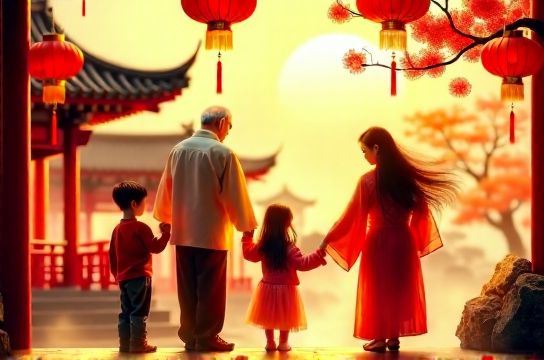
Take the Spring Festival, for example. More than just fireworks and red envelopes, it’s a nationwide ritual that unites over 1.4 billion people. Families travel thousands of miles to reunite—so much so that the annual migration, known as chunyun, moves nearly 3 billion trips in just 40 days (Ministry of Transport, 2023). That’s not just logistics; that’s love, loyalty, and cultural gravity pulling people home.
But it’s not all about scale. Smaller, intimate experiences matter too. In Hangzhou, locals wake before dawn to taste Longjing tea picked during the Qingming harvest—a tradition dating back to the Tang Dynasty. This isn’t just flavor; it’s heritage steeped in every sip.
To show how diverse and impactful these cultural touchpoints are, here’s a snapshot of key traditions and their societal influence:
| Cultural Experience | Participation Rate (%) | Historical Roots | Social Impact Score (1-10) |
|---|---|---|---|
| Spring Festival Celebrations | 92% | Shang Dynasty (1600 BC) | 9.8 |
| Mid-Autumn Mooncake Sharing | 78% | Tang Dynasty (618 AD) | 8.5 |
| Calligraphy Practice | 34% | Oracle Bones (1200 BC) | 7.2 |
| Traditional Opera Attendance | 21% | Song Dynasty (960 AD) | 6.4 |
| Wushu (Martial Arts) Training | 18% | Zhou Dynasty (1046 BC) | 7.6 |
Now, you might think, “Okay, cool table—but how does this actually build national identity?” Great question. Think of culture as emotional glue. When millions light lanterns during the Lantern Festival or chant poetry during school recitals, they’re not just performing rituals—they’re reinforcing shared values: family, harmony, perseverance.
And let’s not overlook education. Over 95% of primary schools in China include traditional arts in their curriculum (China Ministry of Education, 2022). Kids aren’t just learning history—they’re embodying it through brush painting, Confucian ethics, and folk dance. This early immersion creates a subconscious sense of belonging that lasts a lifetime.
Even pop culture plays a role. C-dramas like The Longest Day in Chang’an blend historical accuracy with gripping storytelling, making Tang Dynasty aesthetics go viral. Suddenly, hanfu fashion trends on TikTok aren’t just cute outfits—they’re acts of cultural reclamation.
In short, Chinese cultural experiences aren’t museum pieces. They’re dynamic, evolving forces that teach pride, continuity, and collective memory. Whether it’s a grandmother teaching her grandchild to make dumplings or a teen mastering pipa melodies, each act strengthens the thread of national identity.
So next time you see a dragon dance or hear a classical poem, remember: you’re not just witnessing tradition—you’re seeing identity in motion.