
Must See UNESCO Sites China Showcasing Imperial Grandeur
- Date:
- Views:208
- Source:The Silk Road Echo
If you're chasing history with a side of jaw-dropping architecture, China’s UNESCO World Heritage Sites are your golden ticket. These aren’t just old buildings — they’re epic testaments to imperial power, divine ambition, and centuries of cultural evolution. From the Forbidden City’s silent corridors to the Great Wall snaking across mountain ridges, these sites scream grandeur. Let’s dive into the top imperial gems recognized by UNESCO that you absolutely can’t miss.
The Heavy Hitters: China’s Imperial UNESCO Icons
China boasts 57 UNESCO sites — more than almost any other country. But when it comes to imperial splendor, a few stand head and shoulders above the rest. Think emperors, dynasties, and architectural feats that still leave us speechless today.
1. The Forbidden City, Beijing
Sitting right in the heart of Beijing, this 600-year-old palace complex was home to 24 emperors across the Ming and Qing dynasties. With over 9,000 rooms and enough red walls and golden roofs to make your camera weep, it’s the ultimate symbol of imperial authority.
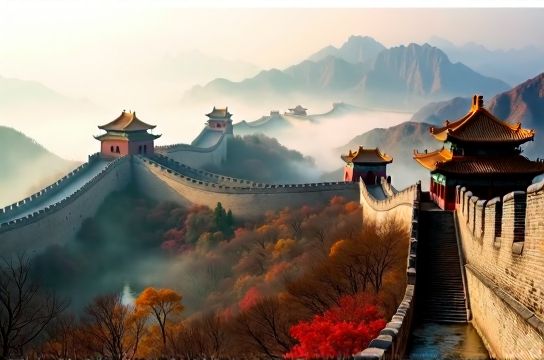
2. The Great Wall
You’ve seen it in movies, on postcards, maybe even in dreams. Stretching over 13,000 miles (21,000 km), this beast of a structure wasn’t built in a day — or a century. Constructed over 2,000 years, it protected China’s northern borders and now protects its legacy as one of humanity’s most ambitious constructions.
3. Chengde Mountain Resort & Temples
Need a royal getaway? The Qing emperors did too. This 18th-century retreat blends Chinese, Tibetan, and Mongolian architecture, surrounded by lakes and forested hills. It’s like Disneyland for emperors — minus the cotton candy.
4. Summer Palace, Beijing
A masterpiece of landscape design, the Summer Palace was where emperors escaped Beijing’s summer heat. With Kunming Lake, Longevity Hill, and the iconic Marble Boat, it’s part garden, part political playground.
5. Temple of Heaven, Beijing
Where emperors talked to the gods. Every winter solstice, the emperor performed sacred rituals here to ensure good harvests. The acoustics? Unreal. Drop a whisper at the center of the Circular Mound Altar — it echoes back like heaven’s reply.
Quick Stats: Imperial UNESCO Sites at a Glance
| Site | Year Inscribed | Location | Key Feature | Visitor Count (Annual) |
|---|---|---|---|---|
| Forbidden City | 1987 | Beijing | Imperial Palace Complex | ~17 million |
| Great Wall | 1987 | Northern China | Fortification System | ~10 million+ |
| Chengde Mountain Resort | 1994 | Hebei Province | Imperial Retreat | ~3 million |
| Summer Palace | 1998 | Beijing | Landscape Garden | ~4 million |
| Temple of Heaven | 1998 | Beijing | Ritual Sacrifice Site | ~3.5 million |
Pro tip: Visit early morning or late afternoon to dodge crowds and catch the golden light on ancient rooftops. Your Instagram (and soul) will thank you.
Why These Sites Matter Today
These aren’t relics stuck in time. They’re living classrooms teaching us about governance, spirituality, and artistry. The symmetry of the Forbidden City reflects Confucian ideals. The Great Wall shows how fear and ambition can shape landscapes. And Chengde? It’s a lesson in diplomacy through architecture.
In a world racing toward the future, these sites ground us — reminding us where power once lived, how it was displayed, and why beauty still commands respect.