
Experience Tea Ceremonies in China's Oldest Provinces
- Date:
- Views:263
- Source:The Silk Road Echo
Think tea is just a drink? Think again. In China’s oldest provinces—Fujian, Yunnan, and Sichuan—it’s a way of life, a spiritual ritual, and an art form passed down through generations. From misty mountain plantations to bustling city teahouses, experiencing a traditional Chinese tea ceremony here isn’t just about sipping; it’s about sensing history, one delicate pour at a time.
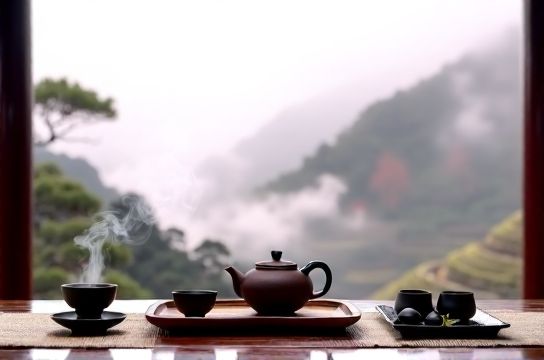
Fujian, the birthplace of oolong and white tea, is where craftsmanship meets nature. The Wuyi Mountains alone produce over 120,000 tons of tea annually, with Tieguanyin and Da Hong Pao leading the prestige charts. Locals don’t just brew tea—they perform it. Using Gongfu Cha, a method involving small clay pots and multiple short steeps, every session reveals evolving flavors, like tasting time itself unfold.
Yunnan, home to ancient tea trees older than your great-great-grandparents, offers something wilder. Pu-erh tea, fermented and aged like fine wine, dominates here. Some cakes from the 1980s now sell for over $10,000 per kilogram. Imagine holding a piece of living history in your palm—then steeping it into a deep, earthy brew that warms you from the inside out.
Sichuan, meanwhile, brings tea to the people. Chengdu’s teahouses are social hubs where grandpas play mahjong and poets scribble verses—all over cups of fresh green tea. The province produces nearly 300,000 tons of tea yearly, making it one of China’s top producers. But quantity doesn’t kill quality: Mengding Ganlu, a local favorite, boasts a sweet, dew-like finish that’ll make your taste buds sing.
Tea by the Numbers: A Quick Snapshot
| Province | Annual Tea Production (tons) | Famous Tea Types | Average Price (per 100g) |
|---|---|---|---|
| Fujian | 120,000 | Tieguanyin, Da Hong Pao, Bai Mudan | $15–$200 |
| Yunnan | 450,000 | Pu-erh (raw & ripe), Dianhong | $5–$1,500 |
| Sichuan | 300,000 | Mengding Ganlu, Emei Mao Feng | $8–$50 |
So how do you dive in? Start with a visit during spring harvest (March–May), when the air buzzes with energy and the freshest leaves hit the market. Book a homestay in Anxi (Fujian) or Xishuangbanna (Yunnan) to learn directly from tea masters. Many offer hands-on workshops—from plucking leaves to roasting and rolling them by hand.
And yes, etiquette matters. Don’t rush. A proper Gongfu session can last over an hour. Tap two fingers on the table to say thanks when someone pours for you—a tradition rooted in imperial legend. Smell the cup before sipping. Let the warmth settle. This isn’t caffeine; it’s culture in liquid form.
Whether you're a curious beginner or a seasoned sipper, China’s tea heartlands promise more than flavor—they offer connection. So put down the coffee, open your senses, and let the oldest provinces pour you a story.