
Discover Hanfu Culture in China's Historic Heartlands
- Date:
- Views:251
- Source:The Silk Road Echo
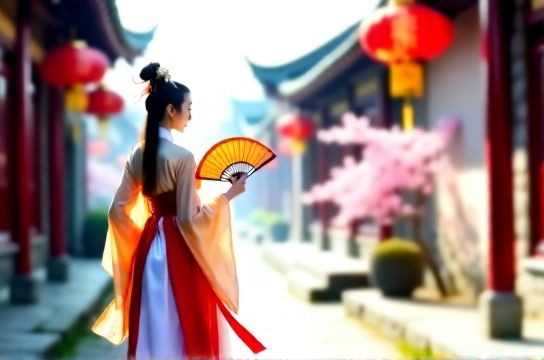
Ever slipped into a flowing silk robe with wide sleeves and felt like stepping straight into a Tang Dynasty scroll painting? You're not alone. Hanfu, the traditional attire of the Han Chinese, is having a major cultural renaissance—and it’s not just about fashion. It’s a movement. From ancient alleyways of Xi’an to the misty canals of Suzhou, young people are donning these elegant garments to reconnect with their roots.
The Hanfu Revival: More Than Just Pretty Clothes
What was once seen as outdated is now trending big time. According to China Daily, over 4 million people wore Hanfu regularly by 2023, with the market value exceeding $1.2 billion. Social media platforms like Xiaohongshu and Douyin are flooded with #Hanfu selfies—over 8 million posts and counting.
But why now? For many, it’s identity. In a fast-moving, Western-influenced world, Hanfu represents heritage, elegance, and resistance to cultural homogenization.
Top 5 Cities to Experience Authentic Hanfu Culture
If you’re ready to dive in, here are the best places to live the Hanfu dream—with real data to back up each destination.
| City | Historical Dynasty Link | Annual Hanfu Events | Visitor-Friendly Hanfu Rentals |
|---|---|---|---|
| Xi’an | Tang Dynasty | 6+ | Yes (From ¥50/day) |
| Luoyang | Sui & Tang | 4 | Yes (Many near Longmen Grottoes) |
| Suzhou | Ming Dynasty | 5 | Yes (With makeup & hair styling) |
| Nanjing | Ming Dynasty | 3 | Limited |
| Dunhuang | Tang & Silk Road Era | 2 (Themed photo tours) | Specialty studios available |
Where to Wear It & Snap That Perfect Shot
In Xi’an, stroll through the Tang Paradise Park at dusk—the lanterns glow golden against crimson robes. In Suzhou, glide across stone bridges in a Ming-style ruqun while willow branches kiss your shoulders. These aren’t just photo ops; they’re immersive experiences.
Rentals are easy: most cost between ¥50–150 per day, and many shops offer full packages including hairstyling and props like fans or calligraphy brushes.
Pro Tips for First-Time Hanfu Travelers
- Timing is everything: Visit during spring (March–May) when festivals peak and gardens bloom.
- Respect the culture: Don’t treat it like a costume. Learn basic etiquette—like how to bow properly in Hanfu.
- Go off-grid: Skip crowded tourist spots. Try quieter temples or classical gardens for authentic vibes.
The Hanfu wave isn’t fading—it’s evolving. Whether you’re a history buff, fashion lover, or soul-searcher, walking in these ancient shoes offers more than nostalgia. It’s a quiet rebellion wrapped in silk.