
The Art of Chinese Calligraphy: A Hands-On Cultural Journey
- Date:
- Views:286
- Source:The Silk Road Echo
Ever picked up a brush and felt like you’re about to paint a masterpiece—only to end up with a wobbly line that looks more like a noodle than art? Welcome to the world of Chinese calligraphy, where patience meets poetry, and every stroke tells a story. It’s not just writing—it’s meditation with ink, a cultural dance between hand, heart, and history.
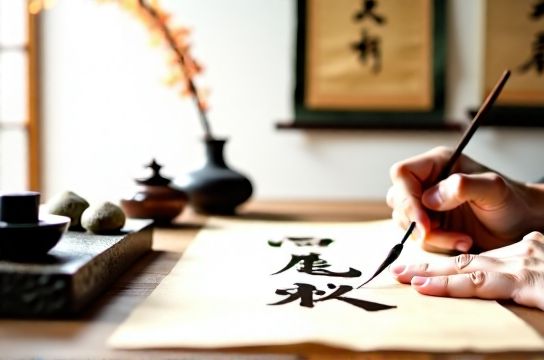
Chinese calligraphy, or "shūfǎ" (书法), has been around for thousands of years. Think ancient dynasties, wise scholars sipping tea under plum trees, and emperors signing edicts with elegant flair. But today, it’s not just for monks and historians. More people than ever are grabbing brushes and diving into this calming, creative practice—not just in China, but all over the world.
Why? Because it feels *real*. In a digital age where we type 120 words per minute but forget how to write our own names in cursive, calligraphy brings us back. It slows us down. One character can take minutes… or hours. And that’s the point.
Let’s break it down: the tools. You’ve got your brush, ink stick, ink stone, and rice paper—the famous "Four Treasures of the Study." Grinding your own ink might sound old-school (and it is), but there’s something magical about watching black paste swirl into liquid silk. It’s like prepping for a ritual. Then comes the brush—soft, flexible, alive. Unlike a pen, it responds to pressure, speed, and mood. Press hard? Thick line. Light touch? A delicate whisper of ink.
Now, the characters. Each one is a mini-composition. Take “永” (yǒng), meaning “eternity.” It’s not just a word—it’s a training ground. Why? Because it contains eight basic strokes that form the foundation of all Chinese script styles. Master these, and you’re on your way.
But here’s the cool part: there’s no single “right” way. Calligraphy has five major styles—from the ancient seal script to the wild, expressive cursive. Some look like they were drawn with perfect geometry; others look like someone danced across the page with a paintbrush. That’s the beauty. It’s structured, yet deeply personal.
And guess what? You don’t need to speak Chinese to enjoy it. Many beginners start just for the art, the movement, the zen. Studios in cities like Beijing, Taipei, and even Brooklyn now offer hands-on workshops. You’ll learn grip, posture, breath control—even how to fold the paper just right. It’s part art class, part mindfulness retreat.
Plus, it’s surprisingly social. Share your work online with #ChineseCalligraphy, and you’ll find a global community cheering you on. Missed a stroke? Someone’s probably done the same and turned it into a meme. Progress isn’t about perfection—it’s about presence.
So whether you're looking to connect with Chinese culture, boost focus, or just try something beautifully analog, give calligraphy a shot. Grab a beginner’s kit, clear your desk, and let the ink flow. Who knows? Your messy first character might just be the start of something timeless.