
Travel to UNESCO Sites China with Cultural Significance
- Date:
- Views:207
- Source:The Silk Road Echo
China isn't just a country — it's a living museum. With over 50 UNESCO World Heritage Sites, it’s one of the richest cultural landscapes on Earth. From ancient city walls to sacred mountains, every stone tells a story. If you're planning to travel to UNESCO sites in China, buckle up — this journey through time is about to get epic.
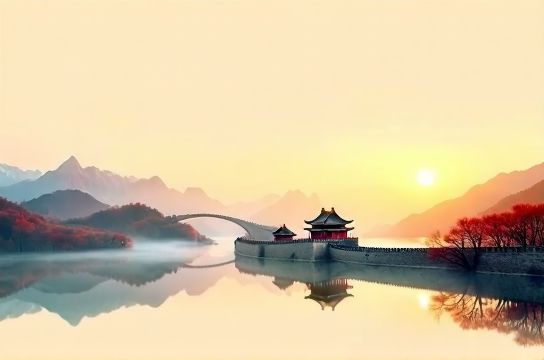
Why China’s UNESCO Sites Are a Must-See
China ranks #3 globally in UNESCO site count, behind only Italy and Spain. But what sets it apart? Depth. These aren’t just pretty ruins — they’re active links to philosophy, religion, engineering genius, and imperial ambition.
Think about it: the Great Wall wasn’t just built for defense. It was a symbol of unity, stretching across deserts, mountains, and grasslands for over 13,000 miles. And that’s just one site!
Top 5 Cultural UNESCO Sites You Can’t Miss
| Site | Year Listed | Location | Why It Matters |
|---|---|---|---|
| Great Wall | 1987 | Northern China | Icon of Chinese resilience; 2,300 years of history |
| Forbidden City | 1987 | Beijing | Home to 24 emperors; masterpiece of palace architecture |
| Temple of Heaven | 1998 | Beijing | Where emperors prayed for harvests; harmony of heaven & earth |
| Mount Emei & Leshan Buddha | 1996 | Sichuan | Largest stone Buddha in the world (71m tall) |
| Classical Gardens of Suzhou | 1997 | Jiangsu | Poetic fusion of nature, art, and Taoist ideals |
The Hidden Gems Beyond the Headlines
Sure, everyone knows the Great Wall. But have you heard of Dunhuang’s Mogao Caves? Also listed in 1987, this Buddhist sanctuary holds over 490 grottoes filled with murals and manuscripts — some dating back to the 4th century. It’s like walking into a spiritual library carved into cliffs.
Or consider Kaiyuan Temple in Quanzhou, part of the 'Quanzhou: Emporium of the World' listing (2021). Once a global trade hub, Quanzhou reveals how Islam, Hinduism, and Confucianism coexisted centuries ago. Talk about cultural fusion!
Tips for Traveling Like a Pro
- Timing is everything: Visit in spring (April–May) or autumn (September–October) to avoid crowds and extreme weather.
- Book ahead: Forbidden City caps daily entries — buy tickets online at least a week early.
- Hire a local guide: At sites like the Terracotta Army, a guide brings the clay soldiers to life with stories of Qin Shi Huang’s obsession with immortality.
Final Thoughts
Traveling to UNESCO sites in China isn’t just sightseeing — it’s soul-searching. Whether you're marveling at the symmetry of the Forbidden City or meditating in a Suzhou garden, you’re not just visiting history. You’re stepping inside it.
So pack your curiosity, charge your camera, and get ready to walk where emperors, monks, and poets once stood. China’s heritage isn’t frozen in time — it’s still breathing.