
and History: Immersive Cultural Experiences in Southern China
- Date:
- Views:267
- Source:The Silk Road Echo
If you’ve ever wondered what makes southern China so irresistibly vibrant, the answer lies in Cantonese culture. From sizzling dim sum to dragon boats cutting through morning mist, Guangdong — especially cities like Guangzhou, Foshan, and Macau — offers travelers a deep dive into centuries-old traditions that still pulse with life today.
Let’s get real: when most people think of Chinese food, they’re probably imagining something from Cantonese cuisine. It’s no surprise — this region is the birthplace of classics like char siu (barbecue pork), wonton noodles, and egg tarts. But it’s not just about taste. Dining here is an experience. Think bustling dai pai dongs (open-air food stalls), family-style meals where everyone shares from the same plate, and yum cha rituals where tea flows as freely as conversation. Locals don’t just eat — they perform a daily celebration of flavor, community, and heritage.
But Cantonese culture goes way beyond the kitchen. Step into a temple during Lunar New Year, and you’ll see red lanterns swaying above crowds tossing coins for luck. Hear the thunderous beat of drums? That’s likely a lion dance troupe warming up — all sharp eyes, flapping jaws, and acrobatic flair. These aren’t tourist shows; they’re living traditions passed down through generations.
History buffs, listen up: Guangdong has long been China’s gateway to the world. As a key hub on ancient maritime trade routes, it absorbed influences from Portugal, Britain, and Southeast Asia — just look at Macau’s pastel-colored colonial buildings or the European flourishes in Lingnan architecture. Yet, despite outside influences, the Cantonese have fiercely preserved their language, customs, and identity. Even today, many locals speak Cantonese first — a dialect rich with tone, slang, and poetic expressions that Mandarin often can’t capture.
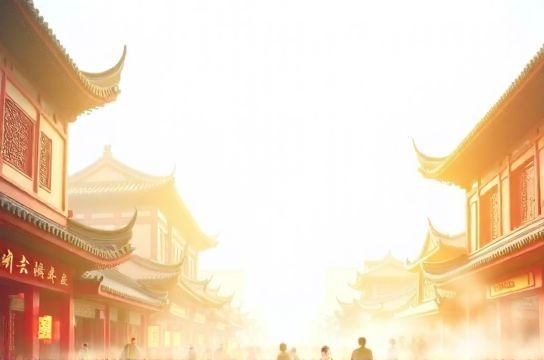
Want to feel this culture firsthand? Join a tea-picking tour in Zhaoqing, learn kung fu in Foshan (the hometown of Ip Man), or wander historic districts like Xiguan, where qilou buildings blend Chinese design with Western structure. Don’t miss the Chen Clan Ancestral Hall — a masterpiece of carvings, ceramics, and scholarly elegance that tells the story of family pride and Confucian values.
And let’s talk festivals. The Mid-Autumn Festival lights up with glowing lanterns and mooncakes, while the Qingming Festival brings families to ancestral graves with offerings of fruit and incense. These moments aren’t just ceremonial — they’re emotional touchstones that bind people to their roots.
Traveling here isn’t about checking landmarks off a list. It’s about slowing down, tasting the moment, and letting the rhythm of southern life pull you in. Whether you're slurping rice noodles at sunrise or watching elders practice tai chi in a riverside park, you’re not just observing culture — you’re living it.
So if you’re craving authenticity, skip the generic tours. Dive into Cantonese culture. Let the flavors, sounds, and stories of southern China leave a lasting mark.