
Visit Top UNESCO Sites China Steeped in History
- Date:
- Views:220
- Source:The Silk Road Echo
China is like that epic history buff who's got stories for days — and trust me, its UNESCO World Heritage Sites are where the legends live. If you're all about deep cultural vibes, ancient architecture, and jaw-dropping landscapes shaped by centuries, then pack your bags. We’re diving into the top historical UNESCO sites in China that’ll make your inner explorer scream with joy.
Why China’s UNESCO Sites Are Unmissable
With over 50+ UNESCO-listed locations, China ranks among the top countries globally for cultural and natural heritage. But let’s focus on the heavy hitters — the ones drenched in dynastic drama, imperial ambition, and spiritual significance.
The Must-See Historical Gems
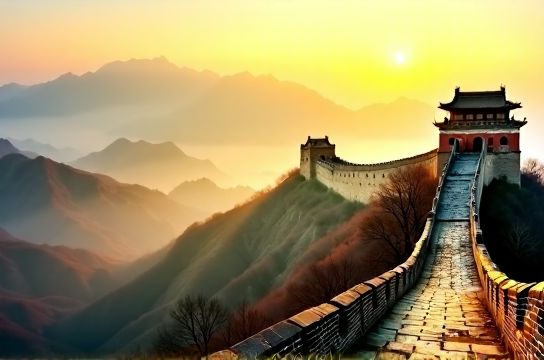
1. The Great Wall (1987)
Straight out of every travel bucket list, this 13,000-mile beast isn’t just a wall — it’s a symbol of endurance. Built across centuries, primarily during the Ming Dynasty, it guarded empires and still stands as one of humanity’s most ambitious construction projects.
2. The Forbidden City, Beijing (1987)
Home to 24 emperors over nearly 500 years, this palace complex is Ming and Qing dynasty royalty at its finest. With 980 surviving buildings and a layout based on feng shui and cosmic harmony, walking through Tiananmen Square into the Forbidden City feels like stepping into a celestial blueprint.
3. Terracotta Army, Xi’an (1987)
Emperor Qin Shi Huang didn’t just want power in life — he wanted an army for the afterlife. Discovered in 1974, this underground legion of 8,000 soldiers, horses, and chariots is one of archaeology’s greatest finds.
4. Mogao Caves, Dunhuang (1987)
Nestled along the old Silk Road, these 735 caves are a spiritual art gallery. With Buddhist murals spanning 1,000 years, they showcase everything from divine figures to everyday Tang Dynasty life. Over 45,000 square meters of frescoes? Yes, please.
5. Temple of Heaven, Beijing (1998)
Where emperors communed with heaven, this Ming-era temple blends architecture and cosmology beautifully. The circular design represents heaven; the square base, earth. Every detail whispers balance.
| Site | Year Listed | Visitors/Year (Est.) | Historical Period |
|---|---|---|---|
| Great Wall | 1987 | 10 million+ | Ming Dynasty & earlier |
| Forbidden City | 1987 | 17 million | Ming & Qing |
| Terracotta Army | 1987 | 6.5 million | Qin Dynasty |
| Mogao Caves | 1987 | 1.2 million | 4th–14th Century |
| Temple of Heaven | 1998 | 3 million | Ming Dynasty |
Pro Travel Tips
- Best Time to Visit: Spring (April–May) or Autumn (September–October) for mild weather and fewer crowds.
- Beat the Crowds: Arrive at opening time. The Forbidden City hits peak chaos by 10 AM.
- Local Insight: Hire a guide at the Terracotta Army site — the context turns statues into stories.
These sites aren’t just stone and paint — they’re echoes of empires, prayers in pigment, and human ambition carved in time. Whether you’re marveling at warrior faces frozen in clay or tracing dragon motifs in imperial halls, China’s UNESCO sites deliver history with soul.