
Uncover Chinese Cultural Heritage in Old Water Towns
- Date:
- Views:237
- Source:The Silk Road Echo
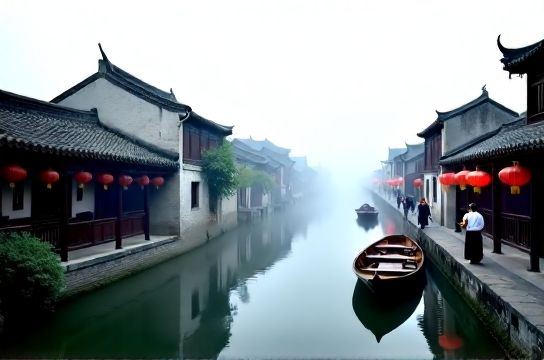
Think ancient canals, stone bridges draped in morning mist, and wooden houses leaning like old storytellers whispering secrets of the past. Welcome to China’s old water towns — where time slows down and culture comes alive. These hidden gems, just a short train ride from Shanghai or Hangzhou, offer a poetic escape into traditional Chinese life.
Why Water Towns?
Nestled in the Yangtze River Delta, these towns were once bustling trade hubs during the Ming and Qing dynasties. Today, they preserve centuries-old architecture, Confucian values, and local craftsmanship. With over 30 recognized water towns in Jiangsu and Zhejiang provinces, choosing the right one can be overwhelming. Let’s break it down.
Top 4 Water Towns You Can’t Miss
Each town has its own flavor — some are crowded with tourists, others quietly serene. Here’s a quick comparison:
| Town | Distance from Shanghai | UNESCO Status | Best For | Visitor Rating (5★) |
|---|---|---|---|---|
| Zhouzhuang | 58 km | Tentative List | Photography & History | ⭐4.6 |
| Tongli | 63 km | Tentative List | Couples & Relaxation | ⭐4.5 |
| Xitang | 90 km | World Heritage Site (2001) | Night Views & Food | ⭐4.7 |
| Wuzhen | 85 km | World Heritage Site (2014) | Culture & Festivals | ⭐4.8 |
As you can see, Wuzhen and Xitang hold official UNESCO recognition, making them top picks for cultural authenticity.
Dive Into Daily Life
In Wuzhen, don’t miss the dawn tofu ritual — locals rise at 5 AM to make silken tofu using well water unchanged for 1,000 years. Or try your hand at indigo dyeing in Xitang, where artisans still use recipes from the Song Dynasty. These aren’t staged shows; they’re real traditions passed through generations.
Travel Tips Like a Local
- Go early: Arrive by 8 AM to beat tour buses. Mornings offer golden light and empty bridges — perfect for photos.
- Eat like a pro: Try zongzi (sticky rice dumplings) from street vendors, or sip Longjing tea in a canal-side teahouse.
- Stay overnight: Most tourists leave by dusk. Book a riverside guesthouse to experience the magic of lantern-lit alleys after dark.
The Hidden Cost of Tourism
While tourism boosts local economies, overtourism threatens heritage. Zhouzhuang sees over 3 million visitors yearly — that’s 8,000 people per day! Locals complain of rising rents and cultural dilution. Responsible travel matters: support family-run shops, avoid loud behavior, and respect quiet zones.
Final Thoughts
China’s water towns aren’t just pretty backdrops — they’re living museums. Whether you’re sipping tea under a moon gate bridge or watching a boatman pole through willow shadows, you’re not just visiting history. You’re stepping into it.
So pack your camera, leave the crowds behind, and let the canals guide you to the soul of Chinese culture.