
Beyond the Terracotta Army: Deep Cultural Travel in Xi’an
- Date:
- Views:256
- Source:The Silk Road Echo
Everyone’s heard of the Terracotta Warriors—those stoic, life-sized soldiers guarding Emperor Qin Shi Huang’s afterlife. But if you think that’s all Xi’an has to offer, think again. This ancient capital, once the starting point of the Silk Road, is a cultural treasure chest waiting to be cracked open. Let’s go beyond the postcard sights and dive into the soul of one of China’s oldest cities.
The Pulse of History: More Than Just an Army
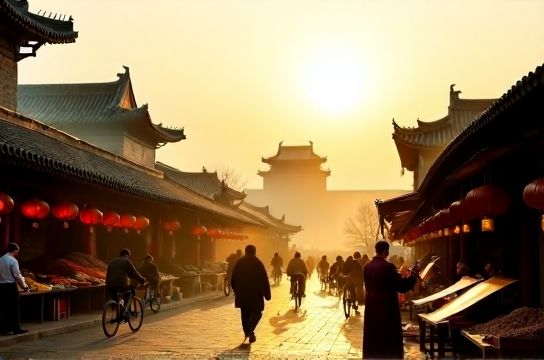
Xi’an served as the capital for 13 dynasties, accumulating over 3,100 years of history. While the Terracotta Army draws 7 million visitors annually, locals will tell you the real magic lies in its layered culture—from Muslim Quarter alleyways to Tang Dynasty poetry echoing through city walls.
Hidden Gems You Can’t Miss
- Great Mosque & Huimin Street: One of China’s oldest mosques, built during the Tang Dynasty (742 AD), blends Islamic architecture with traditional Chinese design. It’s also surrounded by Xi’an’s most vibrant food scene.
- City Wall Cycling: At 14 kilometers long, this Ming Dynasty wall is the most complete in China. Rent a bike (from ¥45) and cruise above the chaos—it’s like time-traveling on two wheels.
- Shaanxi History Museum: Often called “China’s Louvre,” it houses over 370,000 artifacts. Pro tip: arrive at opening time to avoid the rush (free entry, but book online).
Taste the Past: A Foodie’s Timeline
Xi’an’s cuisine tells a story of trade, conquest, and fusion. The Muslim Quarter isn’t just about snacks—it’s a culinary timeline. Try roujiamo (Chinese hamburger), biangbiang noodles, and persimmon cakes while listening to street musicians play ancient tunes.
| Dish | Origin Era | Price Range (CNY) | Cultural Note |
|---|---|---|---|
| Roujiamo | Qin Dynasty | 8–15 | “Meat bun” with slow-cooked pork; Silk Road influence |
| Biangbiang Noodles | Tang Dynasty | 12–20 | Hand-pulled, belt-like noodles; name mimics cooking sound |
| Persimmon Cake | Song Dynasty | 5–10 | Sweet treat made from dried persimmons; winter favorite |
Culture That Breathes: Living Traditions
Don’t just observe—participate. Join a calligraphy class at the Confucius Temple, or catch the Fantastic Tang Dynasty Show, where dancers recreate court performances under golden lanterns. For something quieter, visit the Banpo Neolithic Village to see how people lived 6,000 years ago.
Travel Smarter: Local Tips
- Best Time to Visit: Spring (April–May) and Autumn (September–October). Summers are hot; winters chilly.
- Avoid Crowds: Skip Mondays and holidays at major museums—locals love them too.
- Use Public Transit: Metro Line 2 connects key sites. A day pass costs ¥12.
Xi’an isn’t just a stop on your China itinerary—it’s a journey through time. So yes, see the warriors. But stay for the stories whispered in alleyways, the flavors of ancient recipes, and the quiet moments atop thousand-year-old walls. That’s where the real China reveals itself.