
Voices of the Valley: Folk Music and Oral Traditions in Remote China
- Date:
- Views:229
- Source:The Silk Road Echo
Nestled deep within China’s misty mountains and winding rivers lies a world few travelers ever hear—let alone experience. This is the realm of folk music and oral traditions in remote China, where songs aren’t just melodies but living histories passed from grandparent to grandchild, sung under starlit skies and echoed through bamboo forests.
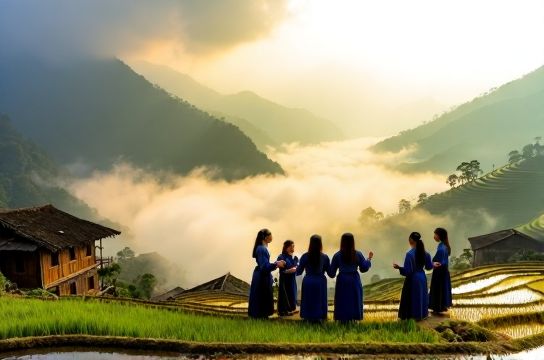
In villages like those in Yunnan, Guizhou, and Guangxi, music isn’t performed for tourists—it’s woven into daily life. The Dong people, for instance, are famous for their grand choirs, known as Dong Grand Song (大歌). These polyphonic harmonies, often sung by women in layered voices without any instruments, have been recognized by UNESCO as an Intangible Cultural Heritage.
But why does this matter? Because these songs carry more than beauty—they preserve language, history, and identity. In fact, over 60 ethnic minority groups in China rely on oral storytelling and song to pass down myths, farming techniques, and ancestral wisdom. And with younger generations migrating to cities, many of these traditions hang by a thread.
The Soundtrack of Survival
Take the Miao people of Guizhou. Their Lusheng Festival features the lusheng—a reed pipe instrument that sounds like wind dancing through reeds. During harvest season, entire villages gather to play, dance, and sing epic tales of migration and love.
Data shows that over 78% of Miao folk songs contain references to nature and agriculture—proof that music here is both spiritual and practical. Compare that to mainstream pop music, where only about 12% touch on environmental themes.
| Ethnic Group | Musical Tradition | Key Instrument | UNESCO Status |
|---|---|---|---|
| Dong | Grand Choir Singing | Human Voice (a cappella) | ✅ Inscribed (2009) |
| Uyghur | Muqam Suite | Rawap, Daf | ✅ Inscribed (2005) |
| Tibetan | Gesar Epic Chanting | Dranyen (lute) | ✅ Inscribed (2009) |
| Miao | Lusheng Dance & Song | Lusheng | ⚠️ National List Only |
As you can see, not all traditions get global recognition—even when they’re just as rich. That’s why grassroots efforts matter. Local NGOs and even TikTok-savvy elders are now recording performances and sharing them online, giving ancient voices a digital second life.
How to Experience It Responsibly
If you're dreaming of hearing these songs live, skip the cookie-cutter tours. Instead, visit during local festivals—like the Sisters’ Meal Festival (April, Guizhou) or the Dong New Year (December). Stay in family-run homestays, eat sour fish soup, and listen before you speak. Respect is the first note in this harmony.
And remember: these aren’t shows. When a Dong elder sings a 40-minute ballad about rice planting, they’re not entertaining—they’re teaching. So bring patience, curiosity, and maybe a notebook.
In a world drowning in noise, the quiet power of a village lullaby might be exactly what we need. These voices from the valley aren’t just surviving—they’re singing truth, one generation at a time.