
Spirit of the Silk Road: Cultural Encounters from Xi’an to Dunhuang
- Date:
- Views:243
- Source:The Silk Road Echo
Ever dreamed of walking in the footsteps of ancient traders, monks, and explorers? Buckle up—this isn’t your average road trip. We’re diving into the Spirit of the Silk Road, tracing a legendary route from Xi’an to Dunhuang. This journey isn’t just about miles—it’s about millennia of culture, art, and adventure.
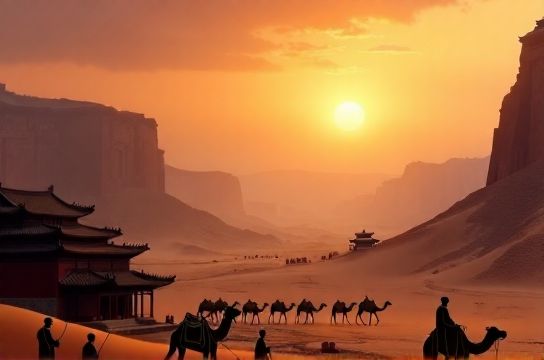
Stretching over 1,200 kilometers across China’s northwest, this corridor was once the world’s busiest cultural highway. Think of it as the ancient version of the internet—connecting East and West through ideas, spices, silk, and faith.
The Magic Milestones
Let’s break it down city by city—and yes, we’ve got numbers to back the awe.
| City | Key Attraction | Historical Era | UNESCO Status |
|---|---|---|---|
| Xi’an | Terracotta Army | Qin Dynasty (221–206 BCE) | ✅ Yes |
| Baoji | Famen Temple | Tang Dynasty relic site | ❌ No |
| Zhangye | Danxia Landform | Natural wonder (millions of years) | ✅ Yes (as part of China Danxia) |
| Dunhuang | Mogao Caves | 4th–14th century CE | ✅ Yes |
Starting in Xi’an, the old capital of China and birthplace of the Silk Road, you're greeted by the jaw-dropping Terracotta Warriors—over 8,000 life-sized statues guarding Emperor Qin Shi Huang. It’s not just impressive; it’s mind-blowing. Over 7 million visitors come here annually—plan ahead!
Head west and you’ll hit Zhangye, home to rainbow-hued sandstone mountains that look like they were painted by gods. The Danxia landform is a geological masterpiece formed over 24 million years. Instagram? More like Insta-*wow*.
But the crown jewel? Dunhuang. Nestled on the edge of the Gobi Desert, this oasis town guarded the crossroads of civilizations. The Mogao Caves—also known as the Thousand Buddha Grottoes—house some of the finest examples of Buddhist art in the world. With 492 decorated caves and nearly 45,000 square meters of murals, it’s a visual symphony of devotion and craftsmanship.
Pro tip: Visit during shoulder seasons (April–June or September–October). Summer crowds peak at 8,000/day in Dunhuang, but spring offers clear skies and fewer elbows.
Culture on the Move
This route isn’t just stone and sand—it’s stories. Uyghur music floats through Kashgar’s bazaars, while Han, Tibetan, and Hui influences blend in cuisine. Try liangpi (cold skin noodles) in Xi’an or roast camel hump (yes, really) in Xinjiang for the bold.
Language tip: While Mandarin works, learning a few phrases in Uyghur or Tibetan earns big smiles. “Merci” won’t cut it—but “Xie xie” will.
Final Thoughts
The Silk Road wasn’t built in a day—and neither should your trip. Take your time. Let the desert winds whisper tales, and let ancient art stir your soul. From terracotta armies to celestial caves, this journey captures the true Spirit of the Silk Road.