
Echoes of the Past: A Pilgrimage to China's Most Sacred UNESCO Sites
- Date:
- Views:308
- Source:The Silk Road Echo
China isn’t just a country—it’s a living museum. From misty mountain temples to desert-spanning fortresses, its UNESCO World Heritage Sites are not just stone and mortar; they’re echoes of emperors, monks, warriors, and dreamers. If you're craving history with soul, here’s your ultimate guide to the most sacred spots that time forgot (but you shouldn’t).
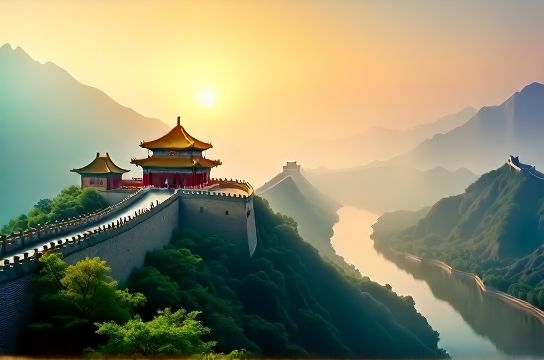
Why China’s UNESCO Sites Are a Must-See
With 57 UNESCO sites—and counting—China ranks among the top three nations globally. But it’s not about quantity. It’s about the spine-tingling awe of walking through the Forbidden City or meditating in the caves of Dunhuang. These places don’t just tell stories—they whisper them.
The Sacred Big Four
We’ve handpicked the most spiritually and historically rich sites that deserve a spot on every traveler’s pilgrimage list.
| Site | Year Inscribed | Location | Visitor Stats (Annual) | UNESCO Criteria |
|---|---|---|---|---|
| Great Wall | 1987 | Northern China | ~10 million | i, ii, iii, iv, vi |
| Forbidden City | 1987 | Beijing | ~17 million | i, ii, iii, iv |
| Temple of Heaven | 1998 | Beijing | ~12 million | i, ii, iii |
| Mount Emei & Leshan Buddha | 1996 | Sichuan | ~6 million | i, iv, vi |
Walk Like an Emperor: The Forbidden City
Step into the shoes of Ming and Qing dynasty rulers at the world’s largest palace complex. With 980 surviving buildings and over 1.8 million artifacts, this crimson fortress is more than opulent—it’s overwhelming. Pro tip: Visit at sunrise when the golden roofs glow like fire and the crowds haven’t arrived.
Whispers in Stone: The Leshan Giant Buddha
Hewn from a cliff face over 1,200 years ago, this 71-meter-tall Buddha watches over the confluence of three rivers. Legend says construction stopped each time a monk died—talk about dedication. Today, pilgrims and photographers flock here for both spiritual peace and jaw-dropping views.
Where Heaven Meets Earth: Temple of Heaven
This isn’t just a temple—it’s a cosmic blueprint. Emperors came here to pray for good harvests, performing rituals aligned with celestial movements. Walk the Echo Wall and believe in acoustics—or magic. And if you visit on a Sunday morning, you’ll catch locals practicing tai chi like silent guardians of tradition.
Final Thoughts: Travel with Reverence
These sites aren’t just checkmarks on a bucket list. They’re invitations to slow down, look closely, and listen. Whether you’re tracing the footsteps of emperors or lighting incense beneath a stone Buddha, you’re not just visiting history—you’re becoming part of it.
So pack light, tread gently, and let China’s past echo deep into your future.