
The Living Heritage of Pingyao: Stepping into Ming Dynasty China
- Date:
- Views:218
- Source:The Silk Road Echo
Ever wanted to time-travel back to ancient China? Well, pack your bags—because Pingyao Ancient City is basically a real-life portal to the Ming Dynasty. Nestled in Shanxi Province, this UNESCO World Heritage Site isn’t just some dusty old town. It’s a fully preserved, walled city that’s been chilling since the 14th century, still breathing with history, culture, and more charm than your average Instagram filter.
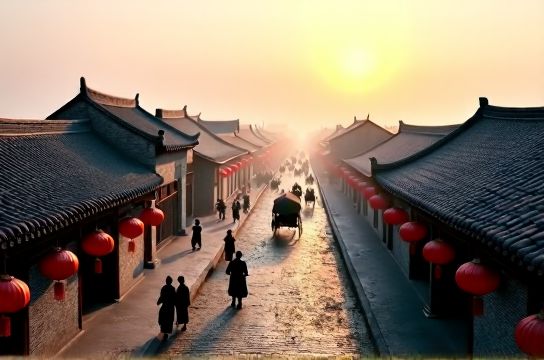
Founded during the Zhou Dynasty but hitting its golden era in the Ming and Qing periods, Pingyao was once the financial heartbeat of China. Think Wall Street—but with horse-drawn carriages and ink brushes. In fact, by the 19th century, over 50% of China’s banking firms originated right here. Mind blown? Yeah, us too.
Why Pingyao Feels Like a Historical Netflix Series
The entire city is enclosed by 6-kilometer-long Ming-era walls, complete with watchtowers and moats. Walking through the stone-paved streets, you’ll spot traditional courtyard homes, bustling markets, and locals sipping tea like it’s 1370 all over again.
But don’t just take our word for it—here’s a quick snapshot of what makes Pingyao so special:
| Feature | Detail |
|---|---|
| UNESCO Listed | 1997 |
| City Walls Built | 1370 (Ming Dynasty) |
| Total Area | 2.25 km² |
| Historic Buildings | Over 379 |
| Peak Financial Era | 19th Century |
Now, let’s talk highlights. You can’t miss the Rishengchang Draft Bank—China’s very first bank. Step inside and check out old vaults, accounting tools, and even fake-beard disguises used by traveling merchants. Spoiler: they had security drama back then too.
Then there’s the Temple of Confucius, where scholars once prayed for good grades (some things never change). And if you’re into spooky vibes, the City God Temple delivers—complete with statues judging your life choices.
Pro Tips for Your Pingyao Pilgrimage
- Best Time to Visit: April–October. Spring and autumn bring mild weather and fewer crowds.
- Don’t Skip: The evening light show on the city walls—it turns history into a cinematic masterpiece.
- Eat This: Pingyao beef, hand-pulled noodles, and aged vinegar (yes, you can tour the vinegar museum—because why not?).
Pingyao isn’t just a museum behind glass. It’s alive. Locals live in centuries-old homes, shops sell handmade paper charms, and every alleyway whispers secrets from the past. It’s history you don’t just read—you feel it under your feet.
So if you’re craving authenticity in a world of cookie-cutter tourism, Pingyao is your soul’s upgrade. Walk its streets, taste its stories, and leave with a deeper love for China’s living heritage.