
China's UNESCO World Heritage Sites: A Journey into Imperial Grandeur
- Date:
- Views:287
- Source:The Silk Road Echo
When it comes to bucket-list travel, China’s UNESCO World Heritage Sites are absolute must-sees. Seriously, if you love history, culture, and jaw-dropping architecture, you’re in for a treat. From ancient imperial palaces to mystical mountain temples, these spots aren’t just tourist attractions—they’re time machines. Let’s dive into some of the most iconic sites that showcase China’s imperial grandeur like no history book ever could.
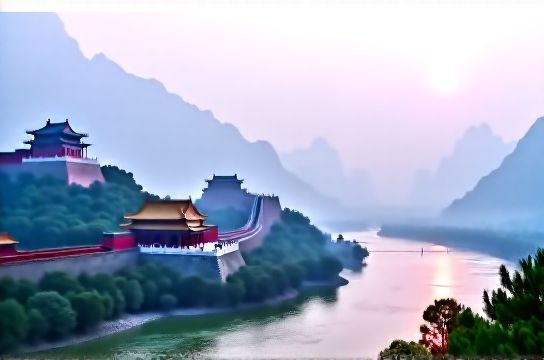
First up: the Forbidden City in Beijing. This isn’t just a palace—it’s a 600-year-old masterpiece spanning nearly 180 acres with over 9,000 rooms. Built during the Ming Dynasty, it was home to emperors for nearly 500 years. Walking through its red walls and golden roofs feels like stepping into a dynastic drama series—except it’s real. Every detail, from the dragon carvings to the precise Feng Shui layout, screams power, tradition, and artistry. It’s no surprise this is one of China’s most visited heritage sites.
Next, let’s talk about the Great Wall. You’ve seen it in photos, but nothing compares to standing on it, stretching as far as the eye can see. Built over centuries to protect Chinese states from invasions, this engineering marvel winds over mountains and cliffs for thousands of miles. While many flock to the crowded Badaling section, adventurers head to Jinshanling or Mutianyu for fewer crowds and epic views. Pro tip: go at sunrise. The mist rolling over the hills? Pure magic.
Then there’s the Terracotta Army in Xi’an. Discovered by farmers in 1974, this underground army of 8,000 life-sized soldiers, horses, and chariots was buried with Emperor Qin Shi Huang to protect him in the afterlife. Each warrior has a unique face—some stern, some smiling—making it one of the most fascinating archaeological finds ever. It’s eerie, awe-inspiring, and totally worth the trip to central China.
Don’t sleep on the Imperial Tombs of the Ming and Qing Dynasties either. Scattered across China, these sprawling burial complexes blend nature and design in perfect harmony. The way they follow Feng Shui principles shows how deeply spirituality influenced imperial rule.
And while not royal, Mount Emei and the Leshan Giant Buddha deserve a shoutout. This Buddhist sanctuary features a 233-foot-tall Buddha carved into a cliff—seriously, he’s so big you need binoculars to see his smile. The hike down offers lush forests, wild monkeys (watch your snacks!), and serious spiritual vibes.
What makes these sites special isn’t just their scale, but their storytelling. They whisper secrets of emperors, scholars, warriors, and monks who shaped a civilization. Thanks to UNESCO, they’re preserved for future generations to explore and admire.
So whether you're a culture junkie, a photography lover, or just curious about China’s past, these heritage wonders deliver. Pack your bags, charge your camera, and get ready to walk through history.