
The Art of Tea: Experiencing China's Centuries-Old Ceremony
- Date:
- Views:230
- Source:The Silk Road Echo
Tea isn’t just a drink in China—it’s a philosophy, a ritual, and a way of life. From misty mountain plantations to quiet courtyard teahouses, the art of tea runs deep through Chinese culture like steam rising from a freshly poured cup. If you’ve ever sipped oolong under a pagoda or watched a gongfu cha master pour with precision, you know: this is more than steeping leaves. This is centuries of wisdom in a bowl.
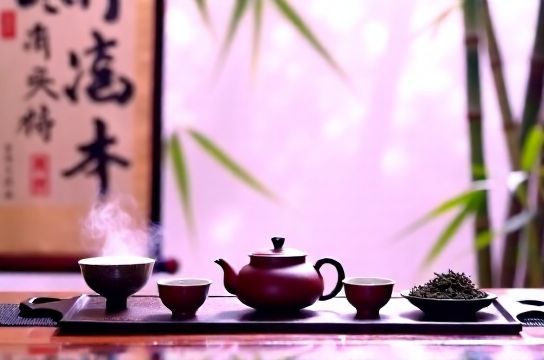
The Heart of the Ceremony: Gongfu Cha
The most revered tea practice? Gongfu cha—literally 'making tea with skill.' Originating in Fujian and Guangdong, this method uses small clay Yixing teapots and multiple short steeps to unlock layers of flavor. Unlike your average tea bag dunk, gongfu is about patience, presence, and appreciation.
A proper session might serve 8–10 infusions from the same leaves, each revealing new notes—floral, nutty, earthy, sweet. It’s not just taste; it’s transformation.
Tea Types & Their Terroirs
China grows over 300 tea varieties, but six main categories dominate. Here’s a quick guide to the essentials:
| Type | Caffeine | Flavor Profile | Famous Region |
|---|---|---|---|
| Green (e.g., Longjing) | Medium | Grassy, fresh, vegetal | Hangzhou, Zhejiang |
| Oolong (e.g., Tieguanyin) | Medium-High | Floral, creamy, roasted | Anxi, Fujian |
| Black (e.g., Keemun) | High | Rich, smoky, wine-like | Qimen, Anhui |
| White (e.g., Bai Hao Yinzhen) | Low | Delicate, sweet, floral | Fuding, Fujian |
| Pu’er (Fermented) | Medium | Earthy, woody, complex | Xishuangbanna, Yunnan |
| Yellow (e.g., Junshan Yinzhen) | Low-Medium | Smooth, mellow, honeyed | Hunan |
Pro tip: Water temperature matters. Green teas? 75–80°C. Oolongs? Boil it—95°C. Get it wrong, and you’ll scorch delicate leaves or under-extract bold ones.
Where to Experience Authentic Tea Culture
- Hangzhou’s Meijiawu Village: Sip dragon well tea amid terraced hills.
- Fujian’s Wuyi Mountains: Hike to cliffs where rare rock oolongs grow.
- Chengdu’s Heming Teahouse: Join locals playing mahjong over endless jasmine brews.
And if you visit Beijing, don’t miss the Lao She Teahouse—a cultural gem where tea meets opera, acrobatics, and storytelling.
Bringing the Ritual Home
You don’t need a pavilion in the pines to enjoy real tea culture. Start simple: get a glass gaiwan, source loose-leaf Longjing or Tieguanyin, and focus on the moment. Breathe in the aroma. Notice the color shift with each steep. Share it with someone you care about.
As the old saying goes: "One who drinks tea for pleasure drinks it all their life." In China, tea isn’t consumed—it’s experienced.