
In the Shadow of the Pagoda: Spiritual Journeys Through China's Buddhist Heritage
- Date:
- Views:250
- Source:The Silk Road Echo
Ever felt that itch to escape the noise — not just of traffic, but of modern life? Let’s wander off the beaten path and into the quiet embrace of ancient stone steps, incense-scented courtyards, and pagodas piercing the sky like prayers made visible. Welcome to China’s Buddhist heritage — where spirituality isn’t preached, it’s lived.
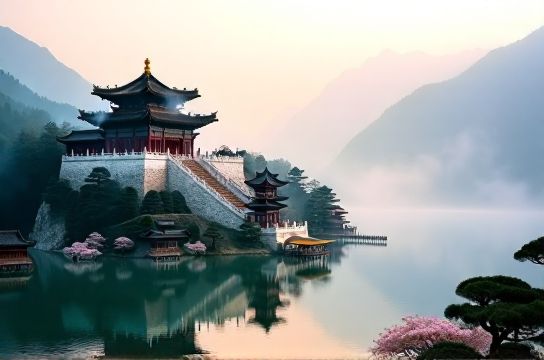
From misty mountain monasteries to urban sanctuaries humming with devotion, China offers some of the most profound Buddhist experiences on Earth. And no, you don’t need to shave your head or chant for hours (though you’re welcome to). Just bring curiosity — and maybe a light jacket. Those temple halls get chilly.
Why China? A Quick Soul Check
Buddhism has been woven into China’s cultural fabric since the Han Dynasty (hello, 1st century CE). Over centuries, it evolved into Chan (Zen) Buddhism, influencing art, martial arts, and even how people drink tea. Today, over 244 million Buddhists live in China — more than the entire population of Indonesia, the world’s largest Muslim nation.
But this journey isn’t about numbers. It’s about stillness. About watching sunlight hit a bronze Buddha just right and feeling something shift inside.
Top 5 Must-Visit Buddhist Sites in China
Here’s the curated list — places where history, beauty, and spirit collide.
| Site | Location | Founded | Key Feature |
|---|---|---|---|
| Shaolin Temple | Henan Province | 495 CE | Birthplace of Zen & Kung Fu |
| Potola Palace | Lhasa, Tibet | 7th Century | Tibetan Buddhism HQ |
| Longmen Grottoes | Luoyang, Henan | 4th Century | 100,000+ Buddha carvings |
| Jiuhua Mountain | Anhui Province | 8th Century | Sacred site of Ksitigarbha |
| Dabei Monastery | Tianjin | 1669 | Urban oasis with giant Maitreya |
Pro tip: Visit early morning. You’ll beat the tour groups and catch monks in quiet meditation — a moment so peaceful, it feels illegal to enjoy it.
How to Travel With Respect (And Not Be *That* Tourist)
- Dress modestly: Shoulders and knees covered. Yes, even in summer.
- No flash photography: Temples aren’t Instagram sets.
- Walk clockwise: In Tibetan areas, follow the pilgrims’ path around stupas.
- Ask before joining rituals: Spirituality isn’t a performance.
Remember: You’re a guest in someone’s sacred space. Act like it.
The Real Takeaway? Presence.
You don’t have to believe in reincarnation to feel something here. Whether you're lighting an incense stick at Lingyin Temple or sipping barley tea with a monk in Emei Shan, these moments pull you into the now. And honestly? That’s the most spiritual thing of all.
So next time you’re planning a trip, skip the malls. Step into the shadow of a pagoda. Listen. Breathe. Let China’s silent wisdom speak.