
and Centuries of Tradition
- Date:
- Views:225
- Source:The Silk Road Echo
If you've ever swirled a glass of amber whiskey, taken a slow sip, and felt centuries of craftsmanship roll over your palate — welcome to the brotherhood. Whiskey isn’t just a drink; it’s a living archive of culture, rebellion, migration, and mastery. From misty Scottish highlands to Kentucky bourbon trails, let’s dive into the soul-warming story of whiskey and centuries of tradition.
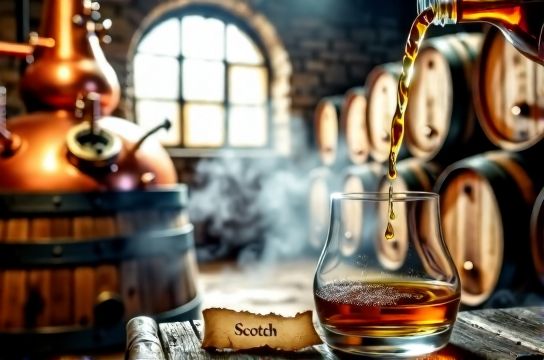
The Birth of a Legend
Whiskey traces its roots to 15th-century Ireland and Scotland, where monks first distilled spirits for medicinal use. The Gaelic term uisce beatha — 'water of life' — evolved into what we now call 'whiskey'. By the 1700s, distillation had spread across continents, adapting to local grains and climates.
What makes each style unique? It's all in the details: ingredients, aging, and regional pride.
Global Whiskey Styles at a Glance
| Style | Region | Base Grain | Min. Aging | Notable Example |
|---|---|---|---|---|
| Single Malt Scotch | Scotland | Barley (peated) | 3 years | Laphroaig 10 |
| Bourbon | Kentucky, USA | 60%+ Corn | 2 years (for 'straight') | Buffalo Trace |
| Irish Whiskey | Ireland | Barley (unpeated) | 3 years | Jameson |
| Japanese Whisky | Japan | Barley (often peated) | 3 years | Hibiki Harmony |
Why Tradition Still Matters
In an age of fast production, traditional whiskey stands firm. Take Scotch: every drop from a designated region must follow strict laws. Islay malts carry that smoky, briny punch because they’re dried over peat fires — a method unchanged since the 1700s.
Meanwhile, bourbon must be aged in new charred oak barrels — a U.S. rule that gives it that sweet vanilla backbone. These aren’t just regulations; they’re promises to quality.
Tasting Tips from the Pros
- Use a Glencairn glass — it hugs the aromas just right.
- Add a few drops of water — opens up hidden flavors.
- Nose it first — let the scent tell the story before the sip.
And don’t rush it. Good whiskey doesn’t shout — it whispers. Wait for notes of caramel, smoke, oak, or citrus to unfold.
The Future of Whiskey
While respecting tradition, craft distillers are innovating with local grains, shorter aging techniques, and experimental casks. Yet the core remains: patience, passion, and place. Whether you're sipping a $20 bourbon or a rare 25-year dram, you're tasting history.
So next time you raise a glass, remember — you're not just drinking alcohol. You're honoring centuries of tradition, one smooth pour at a time.