
Echoes of the Past: Discovering UNESCO World Heritage Sites in China
- Date:
- Views:254
- Source:The Silk Road Echo
China isn’t just a rising global powerhouse—it’s a living museum. From misty mountain temples to sprawling imperial palaces, the Middle Kingdom houses 57 UNESCO World Heritage Sites, ranking second in the world. These aren’t just tourist traps; they’re time capsules whispering stories of emperors, monks, warriors, and visionaries. Let’s take a deep dive into some of the most awe-inspiring gems on this list.
Why China’s Heritage Stands Out
What makes China unique? It’s the sheer continuity. While other ancient civilizations crumbled, Chinese culture evolved—layer upon layer—over 3,000 years. That depth is etched into its heritage sites, blending natural wonder with human genius.
Must-Visit UNESCO Treasures
1. The Great Wall (1987)
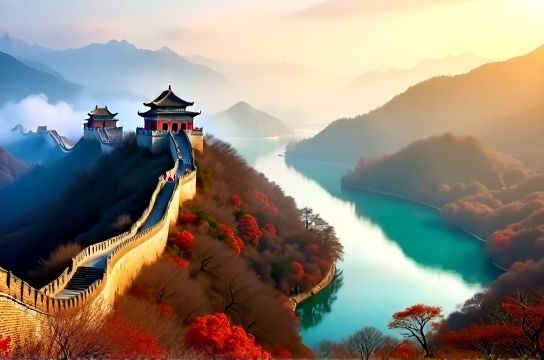
Stretching over 21,000 km, this marvel wasn’t built in a day—or even a dynasty. Constructed across centuries, primarily during the Ming Dynasty, it’s not just a wall but a network of fortifications. Only about 8% is well-preserved, so visit sections like Jiankou or Mutianyu for breathtaking views minus the crowds.
2. The Forbidden City, Beijing (1987)
Home to 24 emperors over nearly 500 years, this palace complex spans 72 hectares with 980 buildings. Its symmetrical design reflects cosmic order, rooted in feng shui and Confucian ideals. Pro tip: go early. Over 17 million visitors hit it yearly—making it one of the most visited museums on Earth.
3. Jiuzhaigou Valley, Sichuan (1992)
If heaven had a national park, it’d look like Jiuzhaigou. With turquoise lakes, waterfalls, and old-growth forests, it’s a biodiversity hotspot. Home to rare species like the giant panda and golden snub-nosed monkey, this valley is nature’s masterpiece.
Quick Stats: A Snapshot of China’s UNESCO Legacy
| Site Type | Number of Sites | First Inscribed |
|---|---|---|
| Cultural | 39 | 1987 |
| Natural | 14 | 1992 |
| Mixed (Cultural + Natural) | 4 | 1996 |
Among the mixed sites, Mount Taishan stands tall—literally and spiritually. Revered for over 3,000 years, it’s where emperors performed sacred Fengshan rituals to legitimize their rule.
Travel Tips for Heritage Hunters
- Timing is everything: Spring (April–May) and autumn (September–October) offer mild weather and fewer crowds.
- Beat the masses: Skip weekends and national holidays like Golden Week—when domestic travel spikes by up to 400%.
- Go beyond Beijing and Xi’an: Explore hidden wonders like Hani Rice Terraces or Fujian Tulou—clay fortress homes of the Hakka people.
China’s UNESCO sites aren’t just relics—they’re living testaments to resilience, harmony, and vision. Whether you’re hiking the Silk Road ruins or meditating in a Zen temple, you’re not just visiting history. You’re feeling it.