
and Traditions: A Deep Dive into Chinese Cultural Experiences
- Date:
- Views:309
- Source:The Silk Road Echo
If you’ve ever wondered why half of Asia shuts down during Lunar New Year or why millions of people row dragon boats for no obvious reason, welcome to the wild, colorful, and utterly fascinating world of Chinese festivals and traditions. These aren’t just random celebrations — they’re centuries-old cultural time capsules packed with meaning, mythology, and mouthwatering food.
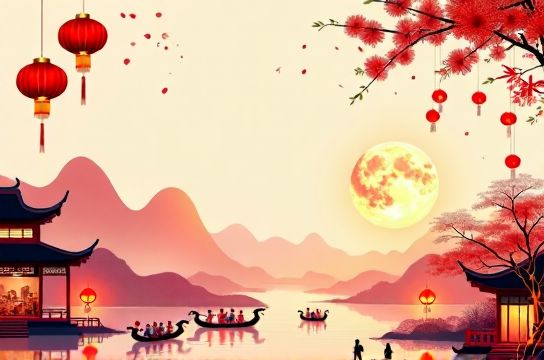
Let’s kick things off with the big one: Chinese New Year, also known as Spring Festival. This isn’t your average New Year’s Eve with a few fireworks and a midnight toast. We’re talking red envelopes (hongbao), lion dances that shake the streets, and enough dumplings to feed a small country. Families reunite, homes get deep-cleaned (bad luck, out!), and every corner bursts with red decorations because, according to tradition, red scares off evil spirits. Oh, and did we mention the firecrackers? They’re not just for fun — they’re spiritual noise machines meant to wake up the new year with a bang.
But wait, there’s more. Mid-Autumn Festival is like China’s cozy version of Thanksgiving meets fairy tale. Held under the year’s brightest full moon, families gather to eat mooncakes — dense, sweet pastries that taste like dessert dreams wrapped in symbolism. The festival honors family unity and harvests, but it also ties back to ancient legends like Chang’e, the moon goddess who (spoiler alert) floated to the moon after drinking an elixir of immortality. Romantic? Kinda. Weird? Absolutely. Beloved? Without a doubt.
Then comes the Dragon Boat Festival, where athleticism meets legend. Teams paddle furiously in long, narrow boats shaped like dragons, racing to the beat of thunderous drums. This all traces back to Qu Yuan, a patriotic poet who drowned himself in protest over political corruption. Locals supposedly threw rice into the river to stop fish from eating his body — which eventually evolved into zongzi, sticky rice bundles wrapped in bamboo leaves. Today, it’s both a tribute and a national obsession.
What makes these traditions stick isn’t just nostalgia — it’s emotion. They connect generations. Your grandma might fold dumplings the same way her mother did, passing down recipes and stories like sacred heirlooms. And while modern life speeds up, these festivals slow things down, reminding people to honor roots, respect elders, and savor moments (and food) together.
Even lesser-known events like the Lantern Festival — where skies light up with glowing orbs — or Qingming, the tomb-sweeping day of remembrance, show how deeply ritual is woven into daily life. It’s not about blind tradition; it’s about identity, continuity, and community.
So whether you're biting into a mooncake, watching a dragon dance through Chinatown, or just curious about what makes these customs last millennia, one thing’s clear: Chinese cultural experiences are alive, evolving, and totally unforgettable.