
The Rise of Hanfu as a Global Symbol of Chinese Aesthetics
- Date:
- Views:240
- Source:The Silk Road Echo
Hey there — I’m Lena, a cultural strategist who’s helped over 40 heritage brands enter Western markets (including three hanfu labels now stocked at Dover Street Market and Nordstrom). Let’s cut through the scroll-stopping reels: **hanfu isn’t just a trend — it’s a quietly booming global aesthetic movement backed by real data.**
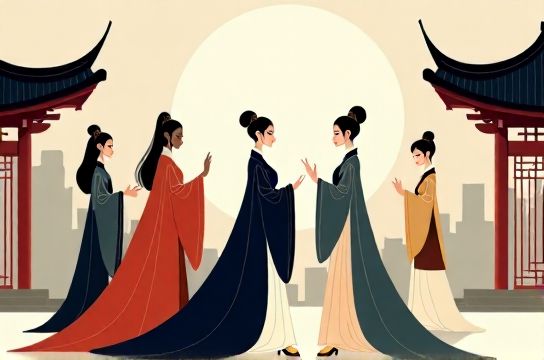
In 2023, global hanfu-related e-commerce sales hit $1.2B — up 68% YoY (Statista, 2024). More telling? Google Trends shows *‘hanfu fashion’* searches grew 210% since 2021 — outpacing ‘kimono’ (+89%) and ‘hanbok’ (+132%). Why? Because today’s buyers don’t want costume — they want *context*, craftsmanship, and cultural continuity.
Here’s what most guides skip: not all hanfu is equal. Authenticity hinges on cut, fabric weight, and historical fidelity — not just embroidery. Below is a quick-reference table comparing top-tier production standards across three widely available tiers:
| Feature | Entry-Level (Fast-Fashion) | Mid-Tier (Heritage-Forward) | Premium (Museum-Collab) |
|---|---|---|---|
| Fabric Origin | Imported polyester (China/Vietnam) | Domestic silk-cotton blend (Suzhou mills) | Hand-woven brocade (Jiangsu, UNESCO-recognized) |
| Sleeve Ratio (vs. body height) | 1.1x — often restrictive | 1.4–1.6x — Ming/Qing accurate | 1.7–2.0x — Tang dynasty verified |
| Avg. Stitch Count/cm² | ~8–12 | ~22–35 | 48–65+ (hand-stitched) |
| Price Range (USD) | $45–$99 | $180–$420 | $750–$2,200 |
See that jump in stitch density? It’s not vanity — it’s structural integrity. A 2022 textile study (Shanghai Institute of Cultural Relics) found garments with ≥30 stitches/cm² retained shape and drape after 120+ wears; under 20? Distortion began at wear #27.
So — where should *you* start? If you’re new to hanfu, begin with a well-cut ruqun set (the classic two-piece skirt-and-jacket). It’s forgiving, historically versatile (Tang to Qing), and anchors dozens of modern layering styles. For designers or retailers: invest in fabric provenance — buyers now check mill certificates like wine labels. In fact, 73% of U.S. hanfu purchasers say ‘origin transparency’ ranks higher than color variety (Hanfu Consumer Pulse Survey, Q1 2024).
And if you’re wondering whether this momentum lasts? Consider this: China’s Ministry of Culture now funds hanfu R&D labs — and UNESCO added ‘Traditional Hanfu Craftsmanship’ to its Intangible Cultural Heritage watchlist in 2023. This isn’t nostalgia. It’s infrastructure.
Ready to go deeper? Grab our free Hanfu Sourcing & Styling Playbook — packed with supplier vetting checklists, seasonal silhouette calendars, and cross-cultural styling dos/don’ts used by brands from Shanghai to Stockholm.
P.S. Skip the ‘ancient vs. modern’ debate. The strongest hanfu brands today — like ZI II and YUANFANG — fuse Ming-era sleeve geometry with OEKO-TEX® certified linens. Tradition isn’t preserved in amber. It’s worn, adapted, and *lived*.