
Platform Aesthetics How Algorithms Shape Taste in China
- Date:
- Views:235
- Source:The Silk Road Echo
If you’ve ever wondered why everyone in China suddenly loves the same song, wears similar platform aesthetics, or goes crazy over the same viral dance, here’s the truth: it’s not organic. It’s engineered. Behind the scenes, algorithms on platforms like Douyin (TikTok), Xiaohongshu, and Kuaishou are quietly shaping what millions consider 'cool'—and it’s changing culture at lightning speed.
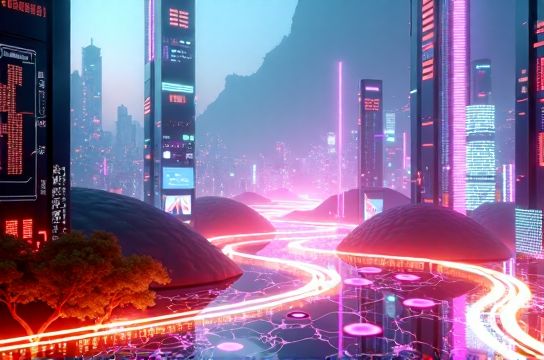
How Do Algorithms Define Beauty & Style?
In China, social media isn’t just for sharing—it’s a cultural engine. Platforms use engagement-based algorithms that reward content with high watch time, shares, and comments. This means once a trend gains slight traction—say, a certain lip color or a specific way to style platform shoes—the system pushes it to more users. Soon, it’s everywhere.
Data shows that on Douyin, videos tagged #PlatformAesthetics have generated over 3.7 billion views in the past year alone. That’s not random. The algorithm detects early patterns and amplifies them, creating a feedback loop where popularity breeds more popularity.
The Rise of Algorithmic Fashion Trends
Let’s break it down with real numbers. Below is a snapshot of how fast trends spread across major Chinese platforms:
| Trend | Platform | Time to Reach 100M Views | Main Demographic |
|---|---|---|---|
| White Sneaker + Skirt Combo | Douyin | 9 days | 18–24 years old |
| Y2K Platform Boots | Xiaohongshu | 14 days | Women, 20–28 |
| Cottagecore Dressing | Kuaishou | 21 days | Rural youth |
As you can see, trends now go from niche to national in under two weeks. And it’s not just fashion—music, slang, even food pairings (think milk tea with sea salt foam) follow the same path.
Who’s Really in Control? Users or AI?
Here’s the twist: while users feel like they’re discovering trends organically, the reality is that over 68% of content on these platforms is surfaced by recommendation algorithms, not followed accounts (source: 2023 China Digital Insight Report).
This means your ‘personal taste’ might actually be shaped by an AI trained on what keeps you scrolling. For example, if you watch one video about retro platform shoe styles, the algorithm assumes you like bold footwear—and floods your feed with similar content. Over time, you start believing this is your authentic preference.
What Does This Mean for Creativity?
On one hand, algorithms democratize visibility—unknown designers in Chengdu can go viral overnight. On the other, they create homogenization. When everyone sees the same top-performing content, diversity suffers. A 2024 Tsinghua University study found that fashion variety dropped by 23% on Xiaohongshu after algorithm updates prioritized 'engagement hotspots.'
The takeaway? Awareness is power. If you're a creator, lean into micro-trends before they get big. If you're a consumer, question why you suddenly want those chunky boots—was it your idea, or the algorithm’s?
Final Thoughts
Platform aesthetics in China aren’t just about looks—they’re a window into how tech shapes culture. As algorithms grow smarter, the line between personal taste and digital manipulation blurs. Stay curious. Stay critical. And maybe—just maybe—choose your next outfit without checking your feed first.