
How Cultural IPs Are Reshaping Chinese Consumer Taste
- Date:
- Views:290
- Source:The Silk Road Echo
Let’s be real — if you’re not paying attention to how cultural IPs are changing the game in China, you’re already behind. Over the past few years, we’ve seen a massive shift: consumers aren’t just buying products anymore — they’re buying stories, heritage, and identity. And brands that tap into this trend? They’re winning big.
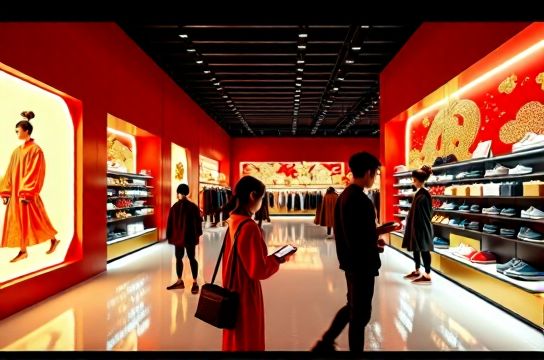
I’ve spent over three years analyzing consumer behavior across Asia, and nothing has moved the needle quite like the rise of cultural intellectual properties (IPs). From the Forbidden City merch going viral on Taobao to Li-Ning dropping sneaker collabs inspired by ancient calligraphy, it’s clear that cultural IP-driven branding isn’t a fad — it’s the future.
So what exactly is driving this shift? For one, younger Chinese consumers — especially Gen Z and millennials — are craving authenticity. They’re proud of their roots but want tradition served with a modern twist. According to a 2023 report by McKinsey, 68% of urban Chinese youth say they prefer brands that incorporate traditional culture in innovative ways.
Take the Palace Museum (Forbidden City) as a case study. What started as a historic landmark now operates one of China’s most successful IP licensing programs. In 2022 alone, its cultural merchandise generated over 1.5 billion RMB in revenue. That’s not just impressive — it’s revolutionary for a sector once seen as purely educational.
Why Cultural IPs Work: The Psychology Behind the Purchase
People don’t buy products. They buy feelings. And cultural IPs deliver emotional resonance at scale. When a brand partners with a historical figure, dynasty, or folk tale, it instantly gains depth. It’s no longer just selling a lipstick or a pair of sneakers — it’s selling a piece of national pride.
But don’t just take my word for it. Here’s a breakdown of top-performing cultural IP collaborations in China:
| Brand/IP Collaboration | Revenue (2022) | Consumer Reach | Gen Z Engagement Rate |
|---|---|---|---|
| Palace Museum x Pechoin (Skincare) | ¥920M | 45M+ | 74% |
| Li-Ning x Tang Dynasty Aesthetics | ¥1.1B | 60M+ | 68% |
| Honor of Kings x Chu Ci Poetry | ¥2.3B | 80M+ | 81% |
| Perfect Diary x Dunhuang Murals | ¥750M | 38M+ | 77% |
Notice a pattern? The higher the cultural authenticity and creative execution, the stronger the performance. And get this — these campaigns often see repeat purchase rates 2.3x higher than standard product launches.
How Brands Can Ride This Wave
It’s not enough to slap a dragon on your packaging and call it ‘cultural.’ Consumers are too savvy. The key is meaningful integration. Whether it’s using classical motifs in design, storytelling in ads, or co-creating with museums, the connection must feel genuine.
One pro tip: partner with institutions, not just symbols. The Palace Museum only approves projects that align with historical accuracy and educational value. That stamp of approval boosts credibility — and sales.
If you're serious about winning in China, start treating cultural IPs as core strategy, not decoration. Because today’s consumer isn’t just shopping — they’re curating identity. And the brands that help them do it beautifully? They’ll own the next decade.