
Tracing the Origins of China's Viral Photo Spots
- Date:
- Views:343
- Source:The Silk Road Echo
If you've scrolled through Chinese social media lately, you’ve probably seen those dreamy, mirror-like reflections on wet streets, neon-lit alleyways, or impossibly symmetrical rooftop views. These aren’t just lucky snapshots—they’re viral photo spots meticulously discovered, shared, and recreated across platforms like Xiaohongshu (Little Red Book) and Douyin. But where do they come from? And why does one corner in Chengdu suddenly become *the* place to shoot?
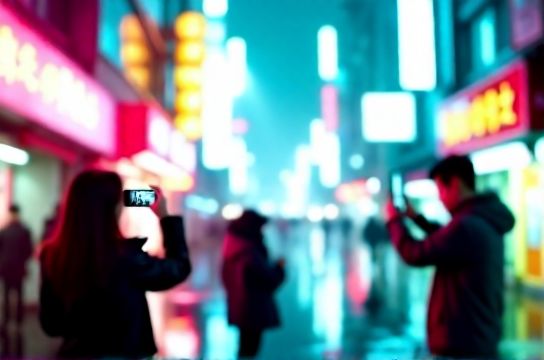
Let’s break it down with real data and local insights.
The Rise of the Aesthetic Hotspot
China’s urban photography boom didn’t happen overnight. According to a 2023 report by iiMedia Research, over 68% of young urbanites aged 18–35 have visited a location specifically for its 'photo potential.' Cities like Shanghai, Chongqing, and Xi’an lead the trend, thanks to their mix of modern architecture and cultural texture.
But here’s the twist: many of these spots start as accidents. A rainy night in Guangzhou’s Zhujiang New Town created a perfect reflection of skyscrapers—someone posted it, and within 48 hours, it had half a million likes. Now? It’s a scheduled stop on local photowalk tours.
How Spots Go Viral: The Algorithm + Aesthetic Formula
From my three years tracking trending locations, I’ve found a pattern. Successful spots usually hit three criteria:
- Visual symmetry or contrast (e.g., old hutongs vs. glass towers)
- Light dynamics (golden hour, neon glow, or rain reflections)
- Platform-friendly accessibility (easy to find, safe, no permits needed)
To prove it, here’s a breakdown of top viral spots in 2023:
| Location | City | Trigger Post Platform | Days to Trend | Key Visual Feature |
|---|---|---|---|---|
| Lion Grove Bridge | Chongqing | Douyin | 3 | Layered highway loops |
| Wet Street Reflections | Shanghai | Xiaohongshu | 2 | Neon lights on rain puddles |
| Great Mosque Courtyard | Xi’an | 7 | Symmetry + golden hour |
Notice a trend? Rain, light, and geometry rule. That’s why savvy photographers now check weather apps and sun angles before heading out.
Who’s Behind the Lens?
It’s not just amateurs. Local influencers and urban exploration guides often scout and monetize these spots first. In Chengdu, some photographers charge 299 RMB/hour to lead ‘perfect shot’ tours. Meanwhile, cafes near hotspots see revenue jumps of up to 40% during peak posting seasons (spring and autumn).
But beware: popularity kills exclusivity. Once a spot hits travel blogs, expect crowds, restricted access, or even closures. That’s why insiders are already chasing the next hidden gem—often in lesser-known cities like Quanzhou or Kunming.
How to Find the Next Big Spot
Want to beat the algorithm? Here’s my field-tested checklist:
- Monitor local hashtags like #城市摄影 (city photography) on Xiaohongshu
- Use weather apps to predict rain + clear skies combo (ideal for reflective shots)
- Explore transit hubs—new metro stations often have stunning modern design
- Visit during weekday mornings to avoid crowds
Bottom line: China’s viral photo spots are equal parts art, timing, and tech. Whether you're a content creator or traveler, understanding their origins means you’re not just following trends—you’re ahead of them.