
The Secret Life of Chinese Aesthetic Symbols
- Date:
- Views:394
- Source:The Silk Road Echo
If you’ve ever scrolled through a luxury fashion feed or walked into a high-end boutique in Shanghai, you’ve probably seen it — that quiet but powerful use of Chinese aesthetic symbols. From the delicate curve of a moon gate to the bold symmetry of a qilin carving, these aren’t just pretty designs. They’re centuries-old codes packed with meaning, and today, they’re making a global comeback.
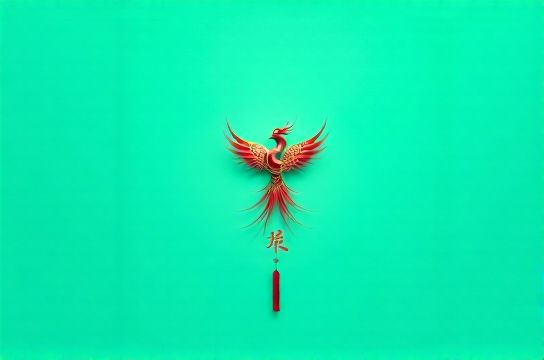
I’ve spent over a decade studying cultural design trends across East Asia, and let me tell you: what’s happening now isn’t just a trend — it’s a renaissance. Brands like Dior, Hermès, and even IKEA are weaving traditional motifs into modern products, but do they get it right? Not always. That’s where understanding the real story behind these symbols becomes your secret weapon.
Why Chinese Aesthetic Symbols Are Going Global
The global market for culturally inspired design is projected to hit $120 billion by 2027 (Statista, 2023). And China’s soft power push — through film, fashion, and digital media — has made Chinese aesthetic symbols more visible than ever. But authenticity matters. Misuse can lead to backlash — remember when a major brand used a Buddhist motif on flip-flops? Yeah, not good.
Decoding the Top 5 Symbols (And What They Really Mean)
Let’s break down the most commonly seen — and often misunderstood — symbols:
| Symbol | Literal Meaning | Cultural Significance | Modern Use Case |
|---|---|---|---|
| Fenghuang (Phoenix) | Imperial bird | Harmony, feminine power | Bridal wear, luxury logos |
| Double Happiness (囍) | Double joy | Marriage, celebration | Wedding collections |
| Cloud Motif | Yun (cloud) | Heavenly blessings, luck | Textile patterns, packaging |
| Bats (Fu) | Homophone for 'fu' (blessing) | Good fortune, prosperity | Home decor, jewelry |
| Peach | Fruit of immortality | Longevity, health | Skin care branding |
See the pattern? These aren’t random choices. Each one ties back to language, philosophy, or folklore. For example, five bats together? That’s the “Five Blessings” — longevity, wealth, health, love of virtue, and natural death. Powerful stuff.
How to Use Them Right (Without Cultural Appropriation)
Here’s my golden rule: context is everything. Slapping a dragon on a T-shirt? Risky. But collaborating with a local artist to reinterpret a traditional Chinese symbol in a limited edition drop? That’s respect — and smart business.
Tips:
- Work with cultural consultants
- Avoid sacred or religious icons in casual products
- Explain the meaning — educate your audience
In short, Chinese aesthetic symbols aren’t just decoration. They’re storytelling tools with deep roots. Get them right, and you don’t just sell a product — you share a legacy.