
When Tradition Meets Trend in Chinese Fashion
- Date:
- Views:314
- Source:The Silk Road Echo
If you're into fashion, you’ve probably noticed the quiet explosion of Chinese fashion on global runways and Instagram feeds. But this isn’t just about silk qipaos and red embroidery anymore. Today’s Chinese fashion blends centuries-old tradition with streetwear edge, digital art, and sustainability — and it’s reshaping how the world sees style from the East.
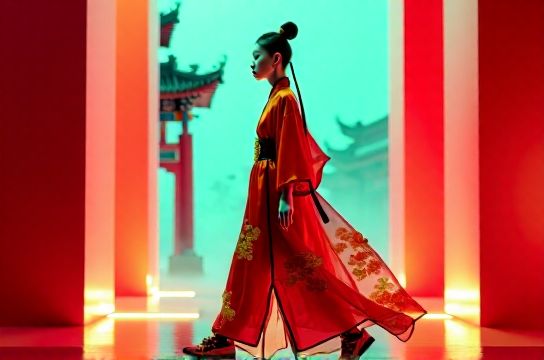
I’ve been tracking Asian designers for over a decade, from Shanghai Fashion Week to boutique labels in Beijing. And let me tell you: what’s happening now is different. It’s not just cultural revival — it’s reinvention.
The Rise of Neo-Traditional Design
Take brands like Shushu/Tong and Pronounce. They’re merging Ming-era silhouettes with Gen-Z aesthetics. Think oversized hanfu sleeves on cropped blazers or cloud-collar motifs reimagined in neon mesh. According to a 2023 report by McKinsey, sales of 'neo-traditional' Chinese apparel grew by 38% year-over-year, with 65% of buyers under 30.
But it’s not just young consumers. Luxury giants are paying attention. In 2024, Dior featured a collection inspired by Suzhou gardens, while Louis Vuitton partnered with Chinese ink artist Xu Bing. This cross-pollination proves that traditional Chinese elements aren’t niche — they’re mainstreaming fast.
Key Trends Driving the Movement
So what’s actually shaping modern Chinese fashion? Let’s break it down:
| Trend | Traditional Root | Modern Twist | Market Growth (2023) |
|---|---|---|---|
| Digital Hanfu | Han dynasty robes | AR filters & NFT wearables | +200% |
| Eco-Silk | Suzhou silk weaving | Lab-grown silk fibers | +55% |
| Street Qipao | 1920s Shanghai dress | Deconstructed cuts, graffiti prints | +70% |
| Guochao Footwear | Embroidered cloth shoes | Sneakers with dragon motifs | +90% |
This table shows more than trends — it shows intent. Designers aren’t just borrowing symbols; they’re reengineering heritage for relevance.
Why Authenticity Matters
Here’s the catch: not all ‘Chinese-inspired’ fashion gets it right. I’ve seen Western brands slap dragons on sweatshirts and call it cultural appreciation. Real impact comes from collaboration — like when Li-Ning works with Hunan embroidery artisans, or when Ms MIN sources fabric from Yunnan villages using ancient dye techniques.
Consumers notice. A 2023 survey by Bain & Company found that 78% of Chinese millennials prefer brands that partner with local craftspeople. That’s not just ethics — it’s smart business.
How to Wear It Right
You don’t need a full hanfu to join the movement. Start small: a jacket with frog buttons, a clutch featuring cloisonné inlay, or even digital wearables for your metaverse avatar. The key is balance — respect the origin, but make it yours.
And if you’re shopping, look beyond labels. Check sourcing, craftsmanship, and whether the brand credits its cultural references. That’s how we move from trend-chasing to true appreciation.
In the end, Chinese fashion today isn’t about choosing between old and new. It’s about letting them collide — creatively, respectfully, boldly.