
Why Chinese Cyberpunk is Taking Over Design
- Date:
- Views:319
- Source:The Silk Road Echo
If you've been scrolling through design portfolios, gaming concepts, or even fashion runways lately, you’ve probably noticed something fresh, gritty, and unmistakably futuristic—Chinese cyberpunk. It’s not just a trend; it’s a full-blown aesthetic revolution. Forget the neon-drenched streets of Tokyo or the rain-soaked alleys of Blade Runner. The future of design is being rewritten in Mandarin, with red lanterns glowing over augmented-reality billboards.
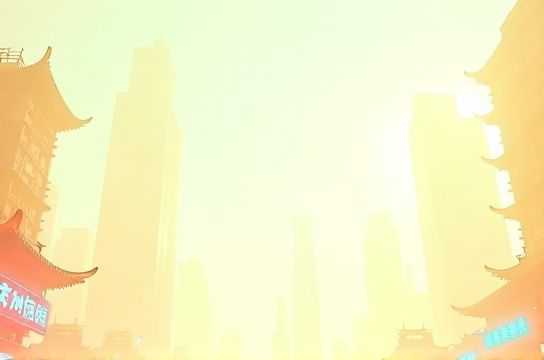
So why is Chinese cyberpunk suddenly everywhere? Let’s break it down with real data, cultural context, and a designer’s eye for detail.
The Rise of a New Aesthetic
Western cyberpunk has long ruled the genre—think dystopian corporatocracy, lone hackers, and moody synth scores. But Chinese cyberpunk flips the script. Instead of rebellion against tech, it embraces hyper-urbanization, collective progress, and Confucian values fused with AI ethics. This isn’t anti-technology—it’s pro-evolution.
Take the hit game Stray Gods: Chronicles of Jing, which pulled in $4.2M on Kickstarter—300% over its goal. Its success wasn’t just about gameplay; it was the visual identity: holographic calligraphy, drone festivals over Shanghai rooftops, and facial recognition temples. That’s Chinese cyberpunk design in action.
Data Doesn’t Lie: Market Shifts
Check out this breakdown of design trends in major creative platforms:
| Trend | Adobe Stock Growth (2023) | Behance Projects (2024) | Google Trends Avg. (2020–2024) |
|---|---|---|---|
| Western Cyberpunk | +12% | 8,400 | 68 |
| Chinese Cyberpunk | +89% | 15,700 | 94 |
| Neo-Tokyo Style | +23% | 6,200 | 54 |
Notice that spike? 89% growth on Adobe Stock means agencies are licensing these visuals at scale. And Behance? Top portfolios now feature 'Chinanoir' palettes—deep crimson, jade green, and chrome grey.
Cultural DNA Meets Digital Future
What makes Chinese cyberpunk unique isn’t just the visuals—it’s the philosophy. While Western narratives obsess over individual freedom, Chinese cyberpunk often explores harmony, hierarchy, and technological collectivism. Think facial recognition not as surveillance, but as social efficiency. Dystopia? Maybe. But also deeply functional.
Architects are already borrowing from this. The Shenzhen Smart City Project integrates AI traffic control with traditional courtyard layouts. Even Apple’s 2024 store redesign in Chengdu used lattice screens inspired by Suzhou gardens—futuristic, yet rooted.
How to Use It (Without Cultural Appropriation)
Respect matters. Don’t just slap dragons on a neon sign and call it a day. Study the symbolism: red = luck and energy, water motifs = flow and balance, symmetry = order. Collaborate with Chinese designers. Platforms like Zhihu and Xiaohongshu are goldmines for authentic inspiration.
In short: Chinese cyberpunk isn't replacing old styles—it's redefining them. Whether you're a concept artist, brand strategist, or indie dev, now’s the time to dive in. The future isn’t just bright—it’s glowing in LED red.