
Dog Meat
- Date:
- Views:312
- Source:The Silk Road Echo
When it comes to the topic of dog meat, emotions run high — and for good reason. While dog meat consumption is a cultural practice in some parts of the world, particularly in certain regions of Asia, it remains one of the most controversial food subjects globally. This guide dives deep into the history, current status, ethical concerns, and legal landscape surrounding dog meat, giving you a clear, balanced, and eye-opening perspective.
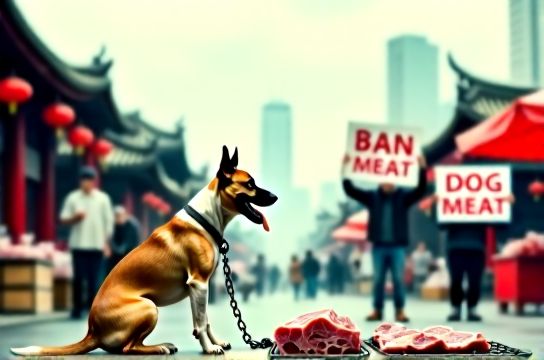
A Brief History of Dog Meat Consumption
Dog meat has been consumed for centuries, with historical records tracing back to ancient China and Korea. In times of famine, dogs were seen as a source of protein. Over time, some communities developed rituals or seasonal festivals involving dog meat, such as the Lý Sơn Dog Meat Festival in Vietnam or summer traditions in parts of Guangxi, China.
Where Is Dog Meat Still Eaten Today?
While largely banned or socially rejected in Western countries, dog meat is still legally consumed in a handful of nations — though the trend is rapidly declining due to animal welfare campaigns and urbanization.
Top Countries with Dog Meat Consumption (Estimated Annual Figures)
| Country | Estimated Dogs Consumed Annually | Legal Status | Public Support (%) |
|---|---|---|---|
| China | 10 million | Unregulated in rural areas | 18% |
| Vietnam | 5 million | Legal, but under review | 24% |
| South Korea | 100,000 | Banned as of 2024 | 7% |
| Indonesia | 800,000 | Legal in部分地区 | 12% |
Note: Data compiled from NGOs including Humane Society International and Four Paws (2023).
The Ethical Dilemma
Let’s be real — most people in the world now view dogs as family members, not food. Over 78% of households in the U.S. consider their dogs part of the family (American Pet Products Association). The idea of eating a loyal companion feels unthinkable to billions.
Yet, millions of dogs — many stolen pets or bred in horrific conditions — are slaughtered each year. Investigations have revealed extreme cruelty: dogs kept in cramped cages, transported without food or water, and killed inhumanely.
Legal Shifts & Global Pressure
Change is happening. In 2024, South Korea passed a landmark law banning dog meat entirely, set to take full effect by 2027. China removed dog meat from its official livestock list in 2020, signaling a major policy shift. Vietnam is also pushing legislation to phase it out by 2029.
International pressure from animal rights groups, combined with younger generations rejecting the practice, is accelerating this transformation.
Final Thoughts
The dog meat trade sits at the crossroads of culture, ethics, and modern values. While tradition matters, so does compassion. As awareness grows and laws evolve, the global momentum is clearly moving toward ending this practice — one rescued pup at a time.