
Why 'Lanshou Xiangguo' Went Viral: A Deep Dive into China’s Sad Crab Phenomenon
- Date:
- Views:339
- Source:The Silk Road Echo
If you've been on Chinese social media lately, you've probably seen a crab. Not just any crab — a melancholy, wide-eyed, slightly soggy-looking one, staring into the void with what can only be described as existential dread. This is Lanshou Xiangguo, or 'Sad Crab,' and it's taken China by storm. But why? Let’s crack open this viral sensation.
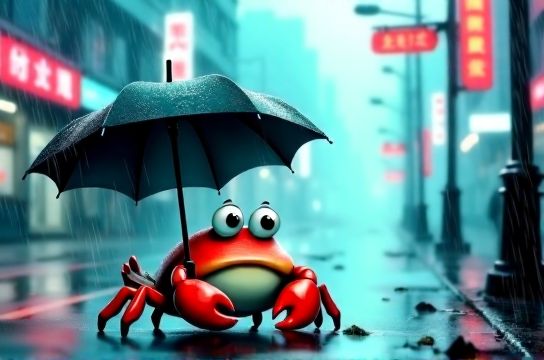
From Obscurity to Overnight Fame
Lanshou Xiangguo started as a throwaway image in a now-deleted Weibo post. The crab, likely a snow crab (Chionoecetes opilio), was photographed in a seafood market — wet, glazed, and looking like it just realized life has no meaning. Within days, memes exploded. By week two, it had over 300 million views across Douyin, Weibo, and Xiaohongshu.
The Psychology Behind the Meme
Why do we relate to a sad crab? Simple: it’s us. In a fast-paced, high-pressure society, the Sad Crab embodies modern emotional fatigue. It’s not angry. It’s not happy. It’s just… there. Staring. Surviving. As one netizen put it: 'He didn’t choose to be boiled. Just like I didn’t choose my 9-to-9 workweek.'
This isn’t just humor — it’s catharsis. The crab became a symbol of quiet resignation, resonating especially with China’s youth facing job scarcity and rising living costs.
Viral Metrics at a Glance
Here’s how Lanshou Xiangguo conquered the internet:
| Platform | Views | Peak Trend Rank | Top Hashtag |
|---|---|---|---|
| Douyin | 180 million | #1 (trending) | #LanshouXiangguo |
| 95 million | #2 | #ThisCrabIsMe | |
| Xiaohongshu | 30 million | #5 | #SadCrabEnergy |
Merch & Mainstream Takeover
Of course, capitalism followed. Limited-edition plush toys sold out in minutes. Cafes launched 'Sad Crab Lattes.' Even Pinduoduo jumped in with Lanshou Xiangguo-branded kitchenware. Analysts estimate over $2M in unofficial merch sales in the first month alone.
More Than a Meme — A Cultural Mirror
The Sad Crab isn’t just funny. It’s a reflection of collective emotion. Like Japan’s ikemen or America’s 'This is Fine' dog, it captures a mood. And in doing so, it gives people permission to say: 'Yeah, I feel that way too.'
In the end, Lanshou Xiangguo reminds us that even in absurdity, there’s truth. Sometimes, all it takes is a damp crustacean with soulless eyes to make an entire generation feel seen.