
The Secret Life of Stickers: How Emoji Replaced Language in Chinese Messaging
- Date:
- Views:312
- Source:The Silk Road Echo
In China, a simple text message is rarely just words. Scroll through any WeChat chat—and you’ll find a battlefield of emojis, animated stickers, and meme-like expressions fighting to convey sarcasm, love, or pure chaos. Welcome to the era where emojis have quietly replaced language, especially in Chinese digital communication.
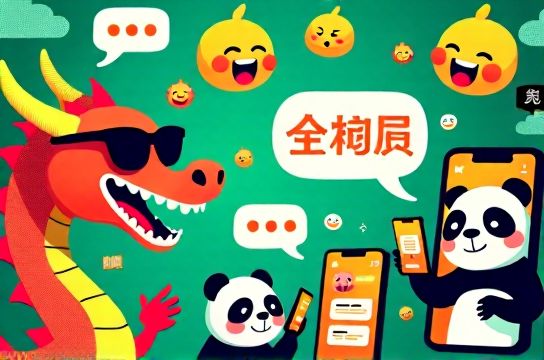
Why? Because in a fast-paced, high-context culture like China’s, a well-placed panda crying tears of joy says more than a paragraph ever could. In fact, a 2023 Tencent report revealed that over 78% of WeChat messages include at least one sticker or emoji. That’s not just cute—it’s a linguistic revolution.
The Rise of the Sticker Economy
Unlike Western platforms where emojis dominate, Chinese users prefer custom stickers—many created by indie artists or brands. These aren’t just free add-ons; they’re a booming market. According to iiMedia Research, China’s digital sticker economy hit ¥1.2 billion ($168 million) in 2023, with users spending real money on themed packs featuring everything from cartoon cats to sarcastic office workers.
Brands have caught on fast. Alibaba launched its own sticker store during Singles’ Day, boosting engagement by 40%. Even government campaigns now use cute stickers to promote public health—yes, there’s an official mask-wearing panda out there.
Emojis as Emotional Shortcuts
In Chinese, tone and context are everything. But texting flattens emotion. Enter emojis and stickers—they restore nuance. A plain “好的” (okay) can feel cold. Add a smiling dog with heart eyes? Suddenly, it’s warm and enthusiastic.
Here’s how different emojis shift meaning:
| Text | Without Emoji | With Emoji | Perceived Tone |
|---|---|---|---|
| 知道了 | — | 知道了 😊 | Polite, agreeable |
| 知道了 | — | 知道了 😑 | Irritated, passive-aggressive |
| 吃饭了吗? | — | 吃饭了吗?🍚❤️ | Caring, affectionate |
| 加油! | — | 加油!💪🔥 | Motivational, intense support |
See the difference? One emoji transforms subtext.
From Cute to Cultural Code
Some stickers go viral because they capture shared experiences. Take the infamous ‘Lie Flat’ frog or the overworked rabbit with dark circles—these aren’t random. They reflect societal moods, from burnout to resistance against hustle culture.
And let’s not forget the role of platforms like Douyin and Xiaohongshu, where sticker trends spread like wildfire. A single animated cat yawning can become a national symbol for exhaustion.
In short, stickers in China aren’t just decoration—they’re digital body language. They soften requests, express irony, and build intimacy without saying a word.
So next time you message a friend in Beijing or Shanghai, skip the essay. Just send the right sticker. Trust us—it speaks louder than text.