
From Rural Reels to Urban Laughter: Class Narratives in China’s Viral Videos
- Date:
- Views:287
- Source:The Silk Road Echo
In the wild world of Chinese social media, a quiet revolution is unfolding—one laugh at a time. From sleepy village livestreams to slick city skits, viral videos are no longer just about dance trends or pet tricks. They're becoming mirrors reflecting China’s deep-seated class divides, wrapped in humor, irony, and raw authenticity.
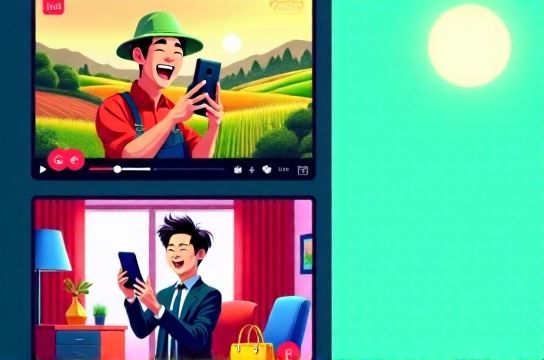
Take Douyin and Kuaishou, China’s answer to TikTok and Instagram Reels. While Douyin dazzles with urban glam—think Shanghai rooftops and designer hauls—Kuaishou thrives on rural realism. Over 420 million users log in monthly, many from China’s lower-tier cities and countryside, sharing everything from pig farming to stand-up comedy shot in farmyards.
What’s fascinating isn’t just the content, but the clash of narratives. City-based creators often mock rural accents or lifestyles, while rural influencers fire back with satire that exposes urban elitism. It’s digital class warfare—with memes as weapons.
Consider the rise of "Erdao" comedians—second-tier performers who blend rustic dialects with punchy social commentary. One viral skit by Zhao Liuqiang hit 18 million views by parodying a countryman trying (and failing) to act "refined" at a Beijing dinner party. The message? Social mobility is a performance—and everyone’s faking it.
| Platform | Primary Audience | Monthly Active Users (2023) | Top Content Type |
|---|---|---|---|
| Douyin | Urban, 18–35 | 780 million | Lifestyle & Fashion |
| Kuaishou | Rural & Tier 3–5 Cities | 420 million | Live Streams & Comedy |
| Bilibili | Gen Z, Students | 330 million | Satire & Animation |
These platforms aren’t just entertainment hubs—they’re cultural battlegrounds. A 2023 Peking University study found that 68% of viral comedy clips contain subtle class references, from mocking ‘nong cun tu’ (rural taste) to ridiculing ‘rich second generation’ extravagance.
But it’s not all snark. Some creators bridge the gap. Take Li Qiang, a migrant worker turned comedian whose sketches about factory life went mega-viral. His bit on ‘borrowing a smartphone to apply for a white-collar job’ struck a nerve—highlighting how digital access shapes opportunity.
The laughter? It’s nervous. Joyful. Resentful. And above all, revealing. As China’s inequality grows, these videos offer catharsis—and critique—through humor that doesn’t need subtitles to be understood.