
‘Xiaoxiang Le’: When a Meme Becomes a National Catchphrase
- Date:
- Views:360
- Source:The Silk Road Echo
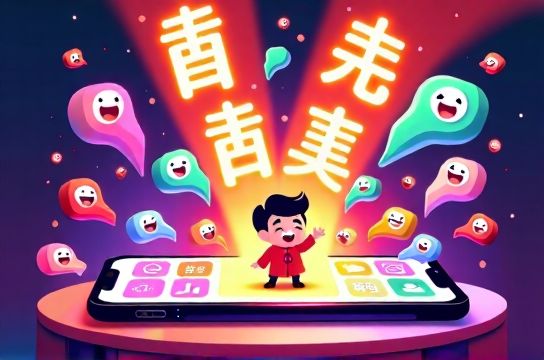
If you've been anywhere near Chinese social media in the past year, you've probably heard someone say it: Xiaoxiang Le (笑笑了). It started as a throwaway line in a sketch comedy skit, but now? It's everywhere — from TikTok captions to subway ads. So how did a simple phrase evolve into a national obsession? Let’s break it down.
The Origin: From Stage to Screen
Xiaoxiang Le, literally translating to 'laughed already' or 'I'm done laughing,' first gained traction during a 2023 episode of Happy Comedy Project, a popular variety show. A contestant delivered the line with such deadpan flair after a ridiculous punchline that it instantly went viral. Within 48 hours, the clip had over 15 million views on Douyin alone.
Cultural Resonance: Why It Stuck
What makes Xiaoxiang Le more than just another meme? It captures a uniquely modern sentiment — emotional exhaustion masked by humor. In a fast-paced society where young people face work pressure, housing costs, and relationship stress, saying Xiaoxiang Le is like hitting the emotional eject button. It’s not just laughter; it’s surrender wrapped in sarcasm.
Viral Spread Across Platforms
Let’s look at the data behind its rise:
| Platform | Peak Monthly Mentions | User Engagement Rate | Top Age Group |
|---|---|---|---|
| Douyin | 8.7 million | 12.4% | 18–24 |
| 5.2 million | 9.1% | 25–30 | |
| Bilibili | 3.8 million | 15.6% | 16–22 |
| Little Red Book | 2.1 million | 8.3% | 20–28 |
As shown, engagement was highest among Gen Z users, especially on Bilibili, where parody videos and reaction memes exploded.
From Internet Slang to Real-World Impact
Brands caught on fast. By Q2 2024, over 30 companies had used Xiaoxiang Le in ad campaigns — from beverage giants like Wahaha to tech startups. Even government health campaigns adopted the phrase to promote mental wellness, using it in posters with slogans like: You don’t have to Xiaoxiang Le every day.
The Linguistic Twist
Unlike older internet slang that relied on homophones or abbreviations (e.g., 'yyds' for 'forever god'), Xiaoxiang Le plays on tone and timing. Its power lies in delivery — say it flatly, and it’s hilarious. Say it dramatically, and it becomes satire. This flexibility made it adaptable across contexts.
Is the Hype Fading?
Possibly. Google Trends shows a 40% decline in global searches since early 2025. But unlike fleeting memes, Xiaoxiang Le has entered colloquial use. It’s taught in some university linguistics courses and even appeared in state-run media as a cultural indicator.
In the end, Xiaoxiang Le isn’t just a joke — it’s a mirror. A reflection of how a generation uses humor to cope, connect, and quietly resist. And honestly? We’re all a little Xiaoxiang Le by now.