
Behind the Laughter Understanding Sarcastic Terms
- Date:
- Views:216
- Source:The Silk Road Echo
Ever been roasted so hard you weren’t sure if it was a compliment or a crime? Welcome to the wild world of sarcastic terms—where tone rules, words lie, and everyone’s pretending not to be offended. As someone who’s spent years decoding internet banter, meme culture, and passive-aggressive office emails, let me break down what makes sarcasm tick, why we love it, and how to use it without starting a war.
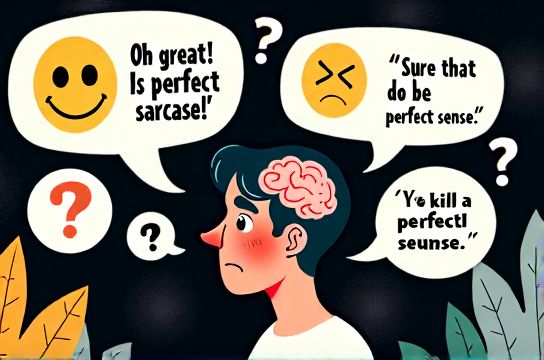
What Even Is Sarcasm, Anyway?
Sarcasm isn't just being sassy—it's saying the opposite of what you mean, usually to mock or emphasize irony. Think: 'Oh wow, great job showing up two hours late.' Spoiler: they’re not impressed.
Studies show that people use sarcasm up to 20 times per day in casual conversation (University of California, 2021). It’s especially common in digital spaces—text lacks tone, which makes sarcastic terms riskier but also more creative. Enter: sarcasm tags like /s or eye-roll emojis 🙄.
Why We Can’t Quit Sarcasm
Believe it or not, sarcasm boosts creativity. A study from Harvard Business School found that teams using sarcastic communication during brainstorming generated 15-20% more innovative ideas. Why? Because interpreting sarcasm requires abstract thinking—your brain does extra work, leading to sharper insights.
But there’s a catch: sarcasm only works when both parties share context. Misuse it with your boss or new roommate, and suddenly you're 'unprofessional' or 'toxic'.
Top Sarcastic Terms & How to Use Them
Let’s demystify some classics. The table below breaks down popular sarcastic expressions, their real meaning, and safe usage zones:
| Term | Real Meaning | Safe Zone |
|---|---|---|
| "Wow, groundbreaking." | This is painfully obvious | Friends, memes |
| "I’m *so* sorry..." | Not sorry at all | Close relationships |
| "Could you be any louder?" | You’re disturbing me | Roommates, coworkers (risky) |
| "Oh, perfect timing!" | You showed up late again | Friends, family |
How to Spot Sarcasm (Before You Respond Wrong)
Clues are everywhere: exaggerated tone, over-the-top praise, or awkward pauses. In writing, look for cues like italics (*sure, totally*), emojis (👏), or absurdity ('Yes, I’d love to rework this entire project at midnight').
Pro tip: If you’re unsure, respond lightly: 'Was that sarcasm, or should I start panicking?' saves face either way.
The Dark Side of Sarcasm
While fun in moderation, constant sarcasm can erode trust. Research from Indiana University links chronic sarcasm with increased perceived hostility—even when humor is intended. So save the shade for friends who get you, not your internship supervisor.
In short: sarcasm is a spice, not a main course. Use wisely.