
When Emojis Aren't Enough: The Evolution of Emoji Packs in Chinese Digital Communication
- Date:
- Views:333
- Source:The Silk Road Echo
Let’s be real—sometimes a simple smiley just doesn’t cut it. In China, where digital chats move at lightning speed and tone is everything, people have taken emoji game to a whole new level. Forget basic 😂 or 🥲—we’re talking custom sticker packs, animated mini-dramas, and emojis that basically write your replies for you.
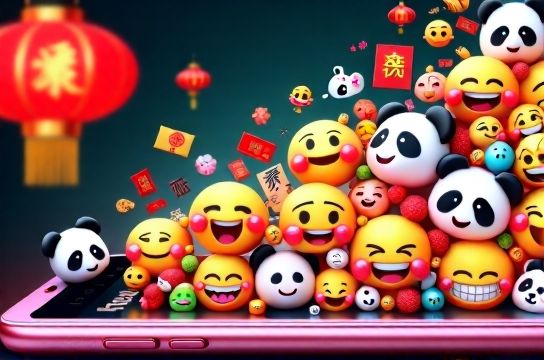
In Western messaging, we often rely on words to clarify sarcasm or emotion. But in Chinese digital culture, especially on apps like WeChat and QQ, emoji packs (or 'biaoqingbao') have evolved into full-on storytelling tools. These aren’t just cute faces—they’re expressive, exaggerated, and often hilarious images of cartoon characters, famous celebs, or even memes ripped from viral moments.
Why? Because in fast-paced conversations, a well-placed sticker can say more than a paragraph. Need to dodge an awkward question? Send the classic ‘dog eating slowly’ meme. Want to show fake respect? There’s a panda tipping its hat. Trying to flirt without sounding too serious? A blushing cat with sparkles does the trick.
What’s wild is how personal these packs have become. Users don’t just download default emojis—they collect, trade, and even design their own. Some stickers go viral overnight, spreading across group chats like digital wildfire. Brands and influencers jump on the trend too, dropping limited-edition packs to connect with younger audiences.
And let’s not forget the cultural twist. Many popular stickers reference local humor, internet slang, or social commentary. For example, the ‘diaosi’ (literally ‘male loser’) character became a self-deprecating icon for young urban workers. Others mimic scenes from popular dramas or parody political figures (carefully, of course).
The tech side is impressive too. With AI and facial recognition, some stickers now mirror your real-time expressions—think dancing avatars that blink when you blink. Platforms like Momo and Bilibili even host sticker creation contests, fueling a creative underground economy.
So yeah, emojis in China aren’t just accessories—they’re essential communication tools. They add nuance, save time, and let people express emotions without saying a word. In a culture where indirectness is often preferred, a clever sticker can speak volumes.
As global messaging evolves, there’s a lot the rest of the world can learn from China’s emoji revolution. Maybe one day, we’ll all be sending animated raccoons instead of typing ‘I’m sorry I ghosted you.’ Hey, a pixelated dreamer never hurts.