
From 'Lying Flat' to 'Involution': Understanding China's Internet Slang in 2024
- Date:
- Views:320
- Source:The Silk Road Echo
If you've been scrolling through Chinese social media lately, you might've stumbled upon terms like neijuan (involution) or tangping (lying flat). These aren't just buzzwords—they're cultural snapshots of a generation navigating pressure, burnout, and identity in modern China. Let’s dive into what these slang terms really mean in 2024, why they matter, and how they reflect deeper societal shifts.
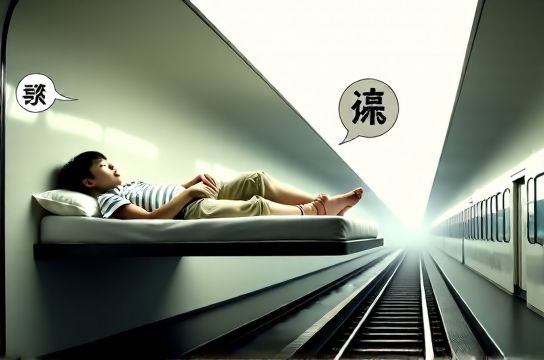
What Is 'Involution' (Neijuan)?
Imagine studying 16 hours a day, only to realize everyone else is doing the same—so no one actually gets ahead. That’s neijuan. Originally an anthropological term, it now describes the exhausting cycle of overwork with diminishing returns. From students cramming for gaokao to white-collar workers answering emails at midnight, neijuan is everywhere.
And What About 'Lying Flat' (Tangping)?
In contrast, tangping is the quiet rebellion. It’s opting out of the rat race—reducing work hours, rejecting promotions, and prioritizing mental peace. Born in 2021, this mindset surged among youth tired of endless competition. As one Weibo user put it: 'I’m not lazy—I’m strategically disengaging.'
Key Terms Reshaping Online Discourse
| Term | Pinyin | Literal Meaning | Social Context (2024) |
|---|---|---|---|
| 内卷 | Neijuan | Internal rolling | Hyper-competition in education & jobs |
| 躺平 | Tangping | Lying flat | Passive resistance to overwork culture |
| 打工人 | Dagongren | Working stiff | Self-deprecating term for office workers |
| 小镇做题家 | Xiaozhen zuoti jia | Small-town test-taker | Critique of rote learning & limited mobility |
Why These Words Went Viral
They’re relatable. A 2023 survey by Peking University found that 68% of urban millennials feel trapped in 'invisible competition.' Meanwhile, job insecurity and soaring living costs in cities like Beijing and Shanghai have made 'lying flat' more than satire—it’s survival.
The Bigger Picture
These phrases aren’t just internet jokes. They signal a generational pushback against traditional success metrics. While the government promotes 'hard work,' young Chinese are redefining productivity on their own terms. Some companies even report rising interest in four-day workweeks—proof that tangping is influencing real policy talks.
So next time you hear neijuan, don’t just laugh it off. It’s a cry for balance in a world spinning too fast.