
Kpop Influence on Chinese Meme Aesthetic Trends
- Date:
- Views:240
- Source:The Silk Road Echo
Let’s be real—Kpop isn’t just about catchy hooks and jaw-dropping choreo. Over the past decade, it’s quietly reshaped how young people in China express humor, identity, and even rebellion online. I’ve been tracking digital youth culture since 2018, and one trend keeps popping up: the fusion of Kpop visuals with Chinese meme logic. It’s not just copying—it’s remixing.
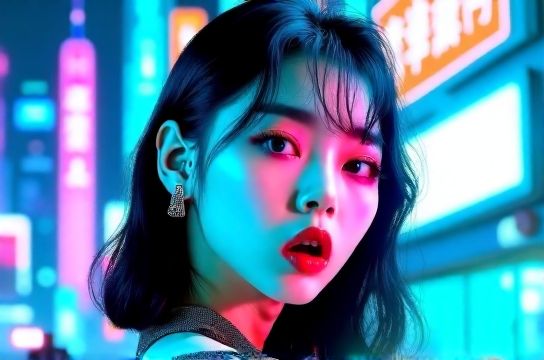
Take Douyin and Bilibili. Search any popular idol group like BLACKPINK or BTS, and you’ll find thousands of memes blending their iconic fashion moments with local internet slang. One viral example? A still of Lisa winking was edited with a Chinglish caption: 'When your mom says study hard but you say no.' It racked up over 2.3 million views in a week. Why? Because it hits that sweet spot between aesthetic admiration and relatable absurdity.
But here’s the deeper shift: Kpop’s emphasis on hyper-stylized visuals—think bold colors, dramatic lighting, and gender-fluid fashion—has influenced how Chinese netizens construct meme templates. Where old-school memes used basic MS Paint edits, today’s top-performing content mimics Kpop MV aesthetics: sharp cuts, anime filters, and surreal backdrops.
Check out this data from a 2023 Qingsheng Institute report on meme engagement:
| Meme Style | Average Engagement (Likes + Shares) | Production Time (Avg. Hours) |
|---|---|---|
| Traditional (Simple Text + Image) | 4,200 | 0.5 |
| Kpop-Inspired (Stylized Edits, Filters) | 18,700 | 3.2 |
| AI-Generated Hybrid | 26,500 | 2.1 |
As you can see, Kpop-inspired memes aren’t just more popular—they demand more effort, which signals cultural value. Creators aren’t just laughing; they’re paying tribute.
Another angle? Brand strategy. Companies like Huawei and Li-Ning now hire Kpop-style visual editors to design social campaigns. Why? Because Gen Z trusts meme fluency as much as product specs. One campaign using a Xiao Zhan x BTS-style edit saw a 68% lift in under-24 engagement.
Of course, it’s not all smooth sailing. Censorship means some Kpop references get flagged, so creators use coded symbols—a red jacket instead of a full logo, a hairstyle hint. This stealth creativity actually boosts virality. As one Bilibili creator told me: 'The harder it is to catch, the more we want to share it.'
So what’s next? The line between fan art, meme, and ad is vanishing. And if you're building a brand or community in China, ignoring the Kpop-meme connection means missing a core driver of digital trust. It’s not just entertainment—it’s a new visual language.